Concrete Cutting Werribee for Clean, Straight Cuts
Concrete cutting opens, divides or reduces existing concrete without wrecking what sits around it. Diamond blades leave a square edge that new concrete can be poured straight against, which a jackhammer never does. Flat sawing suits driveways, paths, garage and shed floors; core drilling takes out a clean cylinder for downpipes, stormwater connections, plumbing risers and handrail footings; sectioning a slab into liftable pieces makes a removal quieter and faster. Control joints are cut into fresh slabs so shrinkage cracks form in a straight groove rather than wandering. Cutting is done wet to hold dust down, with the slurry contained so it does not stain the rest of the property.
GET A FREE QUOTE
GET A FREE QUOTE
Peak Concreting Werribee
Concrete Cutting Werribee: Saw Cutting, Core Drilling and Slab Removal
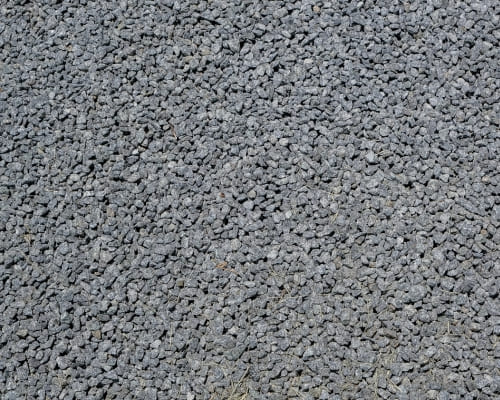
Concrete cutting covers any job where existing concrete has to be divided, opened or reduced without disturbing what sits around it. Peak Concreting Werribee cuts driveways, paths, shed floors and commercial slabs across the Wyndham corridor using diamond blades, which leave a square edge rather than the ragged break a jackhammer produces. The right cut depends on what the slab is doing: a trench for a stormwater line needs a different approach from a cored hole for a handrail footing, and both differ from sectioning a driveway for removal.
Flat saw cutting on driveways, paths and shed floors
A walk-behind flat saw handles most residential work, cutting horizontally through a slab to a set depth in a single straight pass. Depth is dialled in before the first pass, so reinforcement is severed cleanly where the cut must go right through and left intact where only the surface is being scored. Driveways, footpaths, garage floors and shed slabs all take a flat saw, and the finished edge is square enough to pour new concrete directly against.
Core drilling for pipes, downpipes and handrail footings
Core drilling removes a clean cylinder of concrete rather than cutting a line, which suits any job needing a round opening through a slab or a wall. Downpipe penetrations, stormwater connections, plumbing risers, balustrade and handrail footings and air conditioning conduit all start as a cored hole. Diameters are matched to the fitting so the penetration does not need patching afterwards, and the surrounding concrete is left undamaged because nothing is hammered.
Cutting a slab into sections for removal or replacement
A slab coming out goes faster and quieter when it is cut into liftable sections first. Cutting the perimeter free of adjoining concrete protects the driveway, path or house slab that is staying, and sizing the sections to what the machinery can lift keeps the breakout controlled. This is the usual first step before a replacement pour, and it is why a cracked driveway can come out without damaging the crossover or the garage slab it butts against.
Peak Concreting Werribee
How Concrete Is Cut Cleanly on Werribee Driveways and Slabs
A clean cut is mostly preparation. Before a blade touches the slab the line is marked, the depth is set against what the cut has to achieve, and the services below are accounted for, because a saw that finds a water main or a conduit turns a small job into a large one. Werribee's older concrete and its newer estate pours behave differently under a blade, so the approach is settled on site rather than assumed from the address.
Marking out and holding a straight line across a slab
A chalked or scored line gives the operator something to track, and on a long run a guide is set so the cut does not wander. Straightness matters more than it first appears: a wandering cut shows permanently on a driveway, and where new concrete is poured against the cut, any deviation leaves a visible join. Curved and angled cuts are marked the same way, with the radius set out before the saw starts.
Wet cutting and keeping slurry off a residential block
Water fed onto the blade suppresses dust and keeps the diamond segments cool, which is why most cutting on an occupied property is done wet. The trade-off is slurry, a grey mix of water and concrete fines that stains porous surfaces if it is left to dry. Containing it with bunding, vacuuming at the cut and rinsing adjoining paving before it sets stops a driveway cut from leaving a permanent mark across the rest of the property.
Cut depth, reinforcing mesh and what sits below the slab
Depth is a decision, not a default. A control joint is cut only part way through, while a cut for removal goes the full thickness and through the mesh. What the slab was built on matters too, since a cut that breaks into fill or over an old service trench behaves differently from one over compacted crushed rock. On reinforced slabs the blade meets steel, which slows the pass and wears the segments faster.
Peak Concreting Werribee
Why Werribee Property Owners Choose This Concrete Cutter
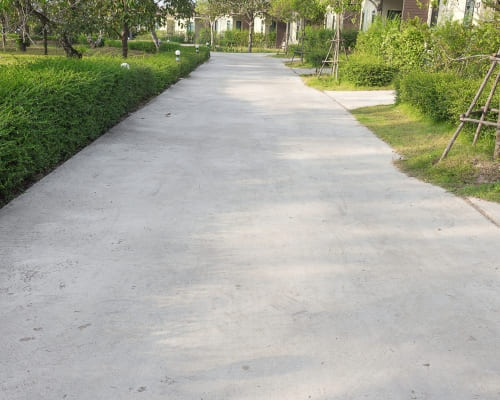
Cutting is a trade where the damage from getting it wrong is visible and permanent, so experience counts for more than equipment. Peak Concreting Werribee has worked the region's concrete for more than twelve years, which means the crew arriving has cut the same estate slabs, the same nineteen-seventies driveways and the same commercial floors before. Quotes are given on site in writing after the slab has been looked at, because depth, reinforcement and access cannot be judged over the phone.
Where this crew cuts across Werribee and the Wyndham corridor
Cutting work runs across Werribee, Hoppers Crossing, Point Cook, Tarneit, Truganina, Williams Landing, Werribee South, Manor Lakes and Wyndham Vale, with the rural blocks at Mount Cottrell, Little River, Parwan and Eynesbury covered as well. Being based in the corridor matters more for cutting than for most concreting work, because a cut is often one short task inside another trade's job and has to happen on the day it is needed.
Twelve years of reading slabs before the blade goes in
Most cutting problems are diagnosis problems. A slab that looks uniform can carry a thickened edge, a buried beam, a patched trench or mesh sitting well off its intended depth, and each of those changes where the cut should go. Years of pouring concrete across the same suburbs is what makes those features predictable, and a cutter who has poured slabs reads an existing one differently from a contractor who only cuts. Related work sits on the concrete repairs and concrete slabs and footings pages.
Peak Concreting Werribee
What Concrete Cutting Costs in Werribee and How a Cut Is Quoted
Cutting is quoted on the work the blade has to do rather than on floor area, which is why a cutting price looks nothing like a driveway price. The two largest drivers are how deep the cut goes and how many lineal metres it runs, because together they decide blade wear and time on site. A shallow control joint across a fresh slab sits at the cheap end, a full-depth cut through a reinforced commercial floor at the dear end, and most residential work falls between the two.
What moves a cutting quote: depth, cut length and access
Depth and lineal metres set the base, then access adjusts it. A saw that can be wheeled straight onto a driveway costs less to run than one carried through a house or lowered into a rear courtyard, and a cut needing water and power run from the street adds time before any concrete is touched. Reinforcement matters, since steel wears blades faster than plain concrete. Slurry containment on a finished property is a real cost rather than an afterthought.
Why a short cut carries a minimum charge
A two metre cut and a twenty metre cut take a similar amount of setting up: the machine is loaded, water is connected, the line is marked and the slurry is contained either way. That fixed work is why a very small job is priced against a minimum rather than by the metre, and why combining several small cuts into one visit is markedly cheaper than booking them separately. Where cutting forms part of a larger concreting job it is usually absorbed into that quote.
Peak Concreting Werribee
Saw Cutting Versus Breaking a Slab Out With a Jackhammer
Not every slab needs sawing. Breaking concrete out with a jackhammer is faster and cheaper where nothing around the slab needs protecting and the whole lot is going. Sawing earns its cost when an edge has to stay square, when the concrete being kept must not be shocked, or when noise and vibration have to be held down on an occupied property. Choosing between the two on site rather than by habit is usually what keeps a price sensible.
When a saw cut is the better option
A saw is the right call wherever concrete is staying. Removing half a driveway, taking a trench through a garage floor, opening a section of path or cutting back to a straight line for a new pour all depend on the remaining concrete being undamaged. Sawing also wins where a jackhammer's vibration could crack adjoining slabs, tiles or plaster, and on properties where neighbours and noise limits make hours of breaking impractical.
When breaking out with a jackhammer is the right call
Where an entire slab is going and nothing adjoining it is being kept, breaking out is the economical choice. Thin unreinforced paths, small shed bases and cracked slabs due for full replacement rarely justify saw time. A mixed approach is common: the perimeter is cut to protect what stays and the middle is broken out, which keeps the square edge where it matters and the cost down where it does not.
Peak Concreting Werribee
Control Joints and Joint Cutting in New Werribee Slabs
Concrete cracks as it dries and shrinks, and joints decide where. Cutting control joints puts a deliberate line of weakness into a new slab so the shrinkage crack forms inside a straight groove instead of wandering across the middle of a driveway. On Werribee's reactive ground this is not optional detailing, because a slab sitting on clay that swells and shrinks with the seasons will move whether or not anybody planned for it.
Why a fresh slab needs its joints cut within days
Saw-cut joints are timed. Cut too early and the blade tears a green slab's surface; cut too late and the concrete has already cracked where it chose to. The window usually falls within the first day or two after the pour, varying with weather and mix, and hitting it is the difference between a slab with tidy joints and one carrying a random crack that no joint will ever hide.
Joint spacing that suits Werribee's reactive basalt clay
Spacing follows slab thickness and the ground beneath it, with panels kept closer together where the subgrade moves more. Werribee's basalt clay is reactive enough that generous panel sizes borrowed from stable ground tend to crack mid-panel. Keeping panels square rather than long and narrow helps as well, since a long thin panel cracks across its waist. Joints are set out before the pour so they land on sensible lines rather than wherever the saw happens to reach.
Isolation and expansion joints where a slab meets something fixed
Control joints manage shrinkage inside a slab, while isolation and expansion joints handle the slab meeting something that will not move with it. Where new concrete abuts a house wall, an existing garage slab, a kerb or a steel post, a compressible strip is set full depth so the two can shift independently instead of forcing a crack at the junction. These are formed at the pour rather than cut afterwards, and on a long run of path an expansion joint at intervals gives the concrete somewhere to grow on a hot day.
Peak Concreting Werribee
Cutting for Trenches, Plumbing and Electrical Service Runs
A good deal of cutting is done for other trades. Plumbers, electricians, drainers and air conditioning installers all need concrete opened so a service can pass through or under it, and the slab usually has to be closed again afterwards. The cut decides how well that reinstatement turns out, because a straight full-depth cut gives the patch a square edge to key into, and a ragged break never quite disappears.
Trench cuts for stormwater, plumbing and conduit runs
A trench cut is two parallel full-depth lines at the trench width, with the concrete between them removed so excavation can proceed. Width is set to what the trade actually needs plus working room, because an undersized trench costs more in excavation time than it saves in cutting. Where the trench crosses reinforcement the bars are cut square, and on a driveway the line is positioned to fall on an existing joint wherever the service route allows.
Reinstating the cut once the other trade is finished
Closing a trench properly starts below the concrete, with backfill compacted in layers so the patch does not sink later. New concrete is then poured to the original thickness against the sawn edges, matched for strength and tied in where the slab is structural. A patch will always read as a joint, but a square cut, a compacted base and a matched mix are the difference between a tidy line and a sunken scar across a driveway.
Related Concreting Services
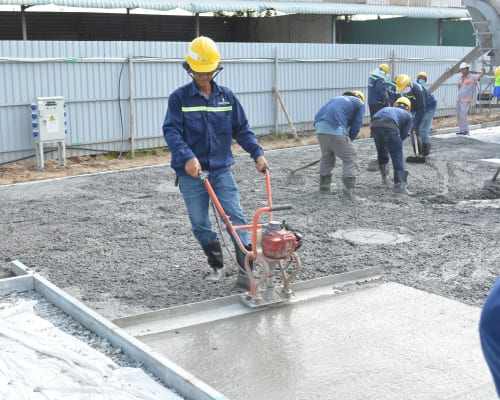
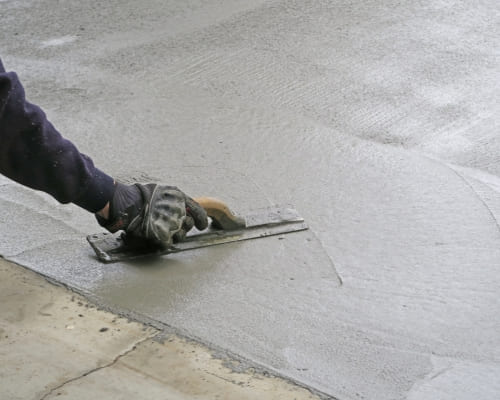
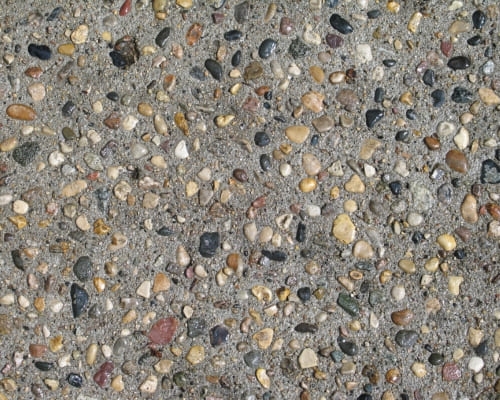
Exposed aggregate concrete for Werribee driveways, paths, alfresco and pool surrounds - washed to reveal the stone for grip and low upkeep. Compacted base, reinforced, sealed, fixed on-site quotes.
Coloured concrete driveways, paths and alfresco areas across Werribee and Wyndham, with oxide run through the mix rather than painted on. Test panel poured before the shade is committed. Call 0485 032 128.
Sealing and resealing driveways, exposed aggregate and decorative concrete across Werribee and Wyndham. Preparation quoted as its own line item, because that is what decides whether a seal lasts. Call 0485 032 128.
TESTIMONIALS
What Our Concrete Cutting Customers Say About Us
The Process
3 Step Process For Your Concrete Cutting Needs

Site visit and fixed quote
It starts with a proper look at the block. The crew measures up, checks access and the lie of the ground, talks through what you want, and flags anything that could affect the pour, such as reactive clay, possible floaters or shallow rock, or drainage on low ground. For structural work that includes whether a soil test or site classification is needed. A fixed, itemised, on-site quote for the agreed scope follows, so there are no surprises later.

Preparation and pour
Good concrete is made before the truck arrives. The excavation goes to the right depth, allowing for any basalt floaters or shallow rock encountered. For slabs, paths and driveways a solid base is built and compacted, formwork is set to correct falls for drainage, and reinforcement is laid to suit the job, while holes for stumps and pier footings are bored to the depth on the engineer's details. On reactive sites the footing design follows those details. The pour is then finished to suit the job, from a broom finish, exposed aggregate or a decorative surface on a slab to a level, plumb top on a stump.

Curing, joints and clean finish
The last stage is where a lot of concrete work is won or lost. The concrete is cured deliberately, slowing surface evaporation to suit the dry, windy conditions common across the west, which helps reduce early cracking. On slabs and driveways, control joints are cut and placed to guide where any movement cracking appears, since joints control cracking rather than prevent it. Sealing is applied where it suits the finish, the site is tidied, and you are walked through curing times and how to look after new concrete in its first few weeks.
Concrete Cutting In Werribee
FREQUENTLY ASKED QUESTIONS
Everything you need to know about our Concrete Cutting In Werribee
How deep can concrete be cut?
A walk-behind flat saw covers the full thickness of nearly all residential concrete, so driveways, paths, garage and shed floors are cut right through in a single pass where that is what the job needs. Thicker commercial and industrial slabs are cut in stepped passes, each one deeper than the last. Depth is set to purpose rather than to the maximum available: a control joint is cut only part way through, while a cut for removal goes the whole thickness and through the reinforcement.
Does concrete cutting create a lot of dust?
Cut dry it does, and concrete dust carries respirable crystalline silica, which is why nearly all cutting on an occupied property is done wet. Water fed onto the blade suppresses the dust at the source and keeps the diamond segments cool. The trade-off is slurry rather than dust, a grey mix of water and concrete fines that stains porous surfaces if it dries in place, so it is bunded, vacuumed at the cut and rinsed off adjoining paving before it sets.
Can concrete be cut without damaging what is underneath?
Yes, and that is the main reason to saw rather than break. Depth is set so the blade stops where it should, which keeps membranes, insulation, heating loops and services below the slab intact. The risk is what cannot be seen, so the slab is checked before cutting and the line is moved where a service is suspected. On a slab of unknown history a shallower first pass is taken to confirm what sits below before going deeper.
How soon after a pour can control joints be cut?
Usually within the first day or two, and the window is narrower than most people expect. Cut too early and the blade tears a slab that has not gained enough strength, leaving a ravelled edge. Leave it too long and the concrete has already cracked wherever it chose to, which no joint cut afterwards will hide. Hot, dry or windy weather shortens the window because the slab loses moisture faster, so joint cutting is often booked before the pour.
Is a small cutting job worth booking on its own?
It can be, but a very short cut is priced against a minimum charge rather than by the metre, because loading the machine, connecting water, marking the line and containing the slurry take the same effort whether the cut runs two metres or twenty. Combining several small cuts into one visit is substantially cheaper than booking them separately. Where cutting is one task inside a larger concreting job it is normally absorbed into that quote instead.
Who repairs the concrete after a trench is cut?
Reinstatement can be included, and it is worth settling who owns it before the cut is made. Closing a trench properly starts below the slab with backfill compacted in layers, because a patch over loose fill sinks within a season. New concrete is then poured to the original thickness against the sawn edges and matched for strength. A patch always reads as a joint, so the aim is a tidy straight line rather than an invisible repair.
Request A Free Concrete Cutting Quote
GET A FREE QUOTE
BUSINESS
SERVICES
OPERATING HOURS
Sun: 6am - 10pm
Mon: 6am - 10pm
Tue: 6am - 10pm
Wed: 6am - 10pm
Thu: 6am - 10pm
Fri: 6am - 10pm
Sat: 6am - 10pm