Concrete Driveways Werribee, Engineered for Clay
A concrete driveway in Werribee has to sit still on ground that will not. The Wyndham corridor is built on basalt-derived reactive clay that swells after rain and shrinks in the dry, and that seasonal movement is what lifts and cracks driveway slabs across the west. Driveways here are built with a properly compacted base, correct thickness, steel reinforcement and well-placed control joints, so the slab has both the strength and the room to cope with that movement. From fresh crossovers on new Tarneit and Point Cook builds to replacing cracked, heaved driveways on older Werribee and Hoppers Crossing blocks, every job starts with a fixed, itemised on-site quote so the scope and the price are settled before work begins. Call 0485 032 128.
GET A FREE QUOTE
GET A FREE QUOTE
Peak Concreting Werribee
Concrete Driveways Werribee: New Driveways, Replacements and Widening
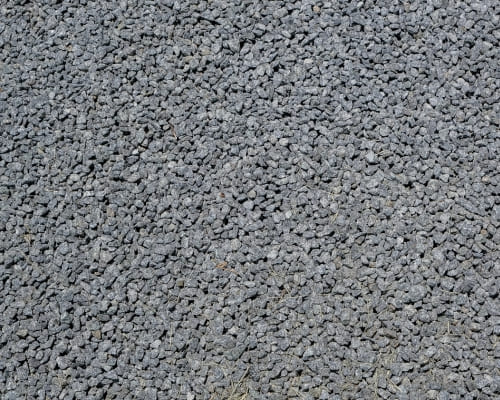
Most Werribee driveway work falls into three jobs, and which one it is changes the groundwork far more than the finish does. A first pour on bare ground, a replacement where an existing slab has failed, and a widening that has to marry into concrete already there are three different problems wearing the same name. Long rural runs out at Little River, Mount Cottrell and Parwan are a fourth job again, with turning areas, culvert crossings and a great deal more material. Decorative options are covered in full on the exposed aggregate, coloured, stamped and honed concrete pages.
New driveways on new-estate blocks
A first driveway on a handed-over block in Tarneit, Truganina or Manor Lakes is poured once the builder is off site and the fill has had a season to settle. The slab is set out to the crossover the council has approved, and the levels are taken off the garage threshold so water runs away from the house rather than back at it.
Replacing a cracked or sunken driveway
On older Hoppers Crossing and Altona blocks the original slab has often cracked, stepped or sunk past the point a repair will hold. The failed slab comes out, the base is corrected and recompacted, and the cause gets dealt with, because pouring a new slab onto the same soft fill or the same drainage problem buys a few years at best.
Widening a single driveway to a double
Widening is fussier than it looks. The new section has to tie into the existing slab at the right level, with a joint where the two meet so they can move independently, and the crossover usually has to be widened with council approval as well. Done badly it reads as a strip stuck on the side; done properly it reads as one driveway.

Peak Concreting Werribee
Built for Werribee's Reactive Basalt Clay and Estate Fill
A driveway is only as good as what sits beneath it, and on Werribee's cracking clay the base does most of the quiet work. The crew excavates to a consistent depth and compacts a crushed-rock base that gives the slab a stable, even platform to bear on. Driveways are not covered by AS 2870, which applies to house slabs and footings, so they are built to sound trade practice matched to the ground and the loads they carry.
Why Werribee's basalt clay moves and cracks slabs
The Wyndham corridor sits on the western volcanic plains, where weathered basalt has turned into heavy reactive clay. It takes up water and swells through the wet months, then dries out and shrinks hard over summer. That seasonal movement is what lifts and cracks a slab poured too thin, on a loose base, or without enough steel in it. Control joints decide where the cracking shows; they do not stop the ground moving, and nobody honest will tell you otherwise.
Engineered fill on Manor Lakes and Wyndham Vale estates
Across Manor Lakes, Wyndham Vale and the newer Tarneit releases, blocks were cut, filled and levelled before the houses went up. Fill that was placed in a hurry keeps settling for years, and a driveway poured straight onto it follows the fill down. The ground is proof-rolled and checked before anything is poured, soft and organic material is dug out, and the base is rebuilt on compacted crushed rock so the slab is evenly supported end to end.
Drainage falls and where driveway water goes
This is flat, poorly drained ground, so water has to be given somewhere to go. Falls are set to run surface water off the slab and away from the house, generally toward the kerb and the street stormwater, or to a grated drain and pit where the levels will not allow a straight fall. Where a driveway runs alongside a boundary the fall is set so run-off does not end up in the neighbour's yard. Standing water against a slab edge is what softens a base and undoes the job.
Peak Concreting Werribee
Why Werribee Homeowners Choose This Concreter
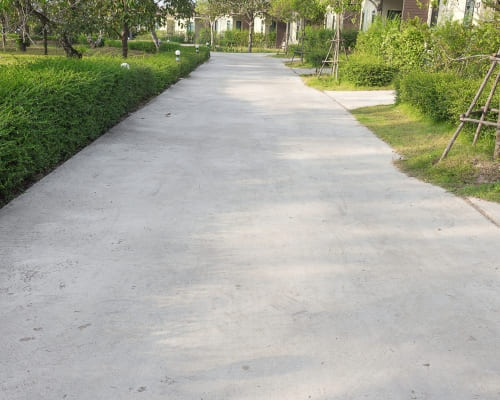
Peak Concreting Werribee is run by an owner who has spent more than 12 years laying concrete across Werribee and Melbourne's west and knows how the local ground behaves. Public liability cover is held, with a certificate of currency on request, and every quote is fixed, itemised and given on site, so the scope is clear before a sod is turned. The person who quotes the job is the person doing the work, not a call centre, and any variation the ground forces is agreed in writing before work continues.
Where this crew works across Werribee and the Wyndham corridor
The work is local and the travel is short: driveways and crossovers through Werribee, Hoppers Crossing, Point Cook, Tarneit, Truganina, Manor Lakes, Wyndham Vale and Williams Landing, replacements on the older Altona and Hoppers Crossing streets, and long rural runs out at Little River, Mount Cottrell, Eynesbury and Parwan. That spread is the point. A crew working the same clay every week knows which estates sit on deep fill, where floaters turn up, and which councils want what on a crossover, rather than learning it on your block. Call 0485 032 128 for a quote that reflects your actual driveway, not a generic square-metre rate.
Peak Concreting Werribee
What a Concrete Driveway Costs in Werribee and Why It Is Priced Per Square Metre
Driveways are priced per square metre of finished surface, and the rate is built rather than quoted off a list. It is assembled from the excavation and cartage, the depth of compacted crushed rock, the steel, the concrete volume at the designed thickness, the labour to place and finish it, and the joint cutting. Plain concrete sits at the bottom of that range, with coloured, stamped and exposed aggregate each adding material and a further labour step on top. Asking what a quoted rate actually includes is the only way to compare two numbers on the same driveway.
What moves a driveway quote: area, finish, access and groundwork
The measured area and the finish set the starting point, then the block adjusts it. Demolishing and carting away an old cracked driveway adds cost. Tight side access that rules out a truck and forces a pump adds cost. Extra slab thickness for a caravan or a work truck adds steel and concrete. Floaters or shallow basalt that need breaking out add machine time, which is why that gets flagged at quote time rather than sprung mid-dig. A long rural driveway out towards Eynesbury or Parwan carries far more material and base work than a short suburban crossover. Every one of those is itemised, so the scope is visible and the number does not move once work starts.
Peak Concreting Werribee
Concrete Driveways Versus Asphalt, Pavers and Gravel
Concrete is not the only option for a Werribee driveway, and the alternatives behave differently on this ground. The question worth asking is not which surface is best in general but which one survives reactive clay, summer heat and a car turning on the same spot twice a day for fifteen years. A properly based concrete slab costs more up front than asphalt or gravel and holds its shape longer than any of them, which is why it is the default across the Wyndham estates. Where a block genuinely suits one of the alternatives, that gets said rather than talked around.
Concrete versus asphalt on a Werribee driveway
Asphalt is cheaper to lay and can be driven on sooner, which makes it tempting on a long run. It also softens in summer heat, scuffs and ruts where a car turns on the spot, and needs resealing years before concrete would need anything. On reactive clay both will move, but a cracked asphalt driveway degrades into patching, while a jointed concrete slab cracks where it was told to.
Concrete versus pavers for cost and upkeep
Pavers look good on day one, can be lifted and relaid, and suit a courtyard. On a driveway they are a maintenance decision: every joint is a path for water and weeds, and the bedding sand under them shifts as the clay moves, so the surface goes uneven and the edges creep within a few years. Gravel is the cheapest way to make a long rural run usable and still earns its place out at Little River or Parwan, but it migrates, needs topping up and never holds a clean edge.
Peak Concreting Werribee
Driveway Crossovers and Wyndham City Council Permits
Concrete inside the property boundary is generally the owner's business. The crossover, the section where the driveway meets the road across the nature strip, is not: it sits on council land, it has to be built to a published specification, and it needs approval before anyone pours it. That catches owners out regularly, because the driveway and the crossover feel like one job and are governed completely differently. Getting it wrong is the most expensive mistake available on a driveway, since a non-compliant crossover can be ordered out and rebuilt at the owner's cost regardless of how good the concrete is.
Who approves a vehicle crossing in Wyndham City
A new or altered vehicle crossing needs a permit from Wyndham City Council, and the application sits with the property owner. Blocks on the boundaries answer to someone else entirely: Altona and Laverton North sit with Hobsons Bay, Ravenhall with Melton, and Parwan with Moorabool, so the forms, the fees and the specification change with the address. Which council governs a block is confirmed before quoting rather than assumed.
Crossover width, layback and council inspection
A crossover has to be built to the council's specification, which covers the width, the layback where it meets the kerb, the levels, and the reinforcement. Most councils want a pre-pour inspection, so the formwork and steel are checked before any concrete arrives. The permit step is built into the job rather than left for an owner to discover halfway through, because a non-compliant crossover can be ordered out and poured again at the owner's cost.
Peak Concreting Werribee
Driveway Slab Thickness, Mesh and Control Joints
Three things decide whether a driveway stays flat: how thick it is, what steel is in it, and where it is allowed to crack. Edge thickenings, a proper fall and clean jointing where a new driveway meets an existing path are what separate a driveway that still looks right in ten years from one being patched at five. None of the three are visible once the job is finished, which is exactly why they are the first things trimmed on a cheap quote. A thinner slab, mesh dropped on the ground instead of chairs, and joints left uncut all save money on the day and all show up within a few seasons on this clay.
How thick a residential driveway slab needs to be
Thickness follows the load, not the budget. Around 100mm suits ordinary cars and a light trailer. A caravan, a boat, a work truck or a loaded ute means stepping up, often to 125mm or 150mm with heavier reinforcement, and the same applies where a concrete truck or a bin lorry will track over part of the slab. On reactive clay a slab that is too thin for its load has two problems working against it at once, so the thickness is sized to what actually parks on it.
Reinforcing mesh, control joints and crack management
Mesh only works if it sits inside the slab, which means bar chairs holding it at the right height rather than mesh laid on the ground and hooked up as the pour goes past. Control joints are the part most people never think about: concrete shrinks as it cures and it will crack somewhere, so joints are cut at sensible spacings to decide where. The result is a straight line at a joint instead of a crack wandering across the middle of the slab, and that is crack management rather than a promise of no cracks.
Related Concreting Services
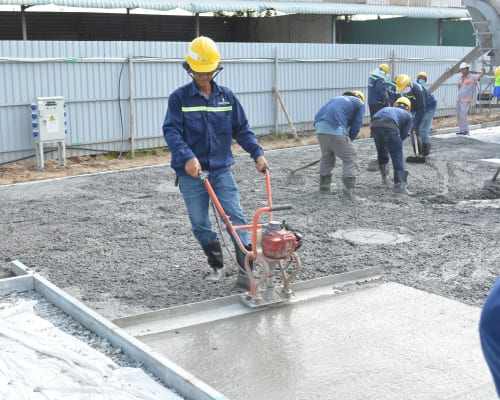
Exposed aggregate concrete for Werribee driveways, paths, alfresco and pool surrounds - washed to reveal the stone for grip and low upkeep. Compacted base, reinforced, sealed, fixed on-site quotes.
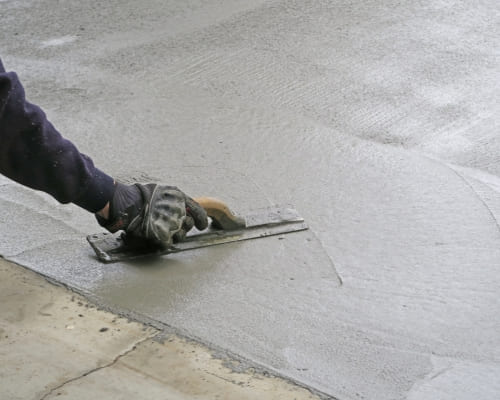
Coloured concrete driveways, paths and alfresco areas across Werribee and Wyndham, with oxide run through the mix rather than painted on. Test panel poured before the shade is committed. Call 0485 032 128.
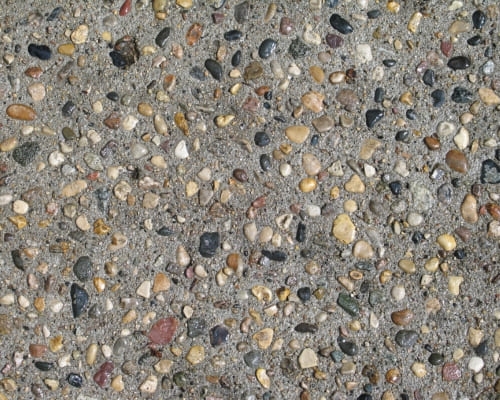
Sealing and resealing driveways, exposed aggregate and decorative concrete across Werribee and Wyndham. Preparation quoted as its own line item, because that is what decides whether a seal lasts. Call 0485 032 128.
TESTIMONIALS
What Our Concrete Driveways Customers Say About Us
The Process
3 Step Process For Your Concrete Driveways Needs

Site visit and fixed quote
It starts with a proper look at the block. The crew measures up, checks access and the lie of the ground, talks through what you want, and flags anything that could affect the pour, such as reactive clay, possible floaters or shallow rock, or drainage on low ground. For structural work that includes whether a soil test or site classification is needed. A fixed, itemised, on-site quote for the agreed scope follows, so there are no surprises later.

Preparation and pour
Good concrete is made before the truck arrives. The excavation goes to the right depth, allowing for any basalt floaters or shallow rock encountered. For slabs, paths and driveways a solid base is built and compacted, formwork is set to correct falls for drainage, and reinforcement is laid to suit the job, while holes for stumps and pier footings are bored to the depth on the engineer's details. On reactive sites the footing design follows those details. The pour is then finished to suit the job, from a broom finish, exposed aggregate or a decorative surface on a slab to a level, plumb top on a stump.

Curing, joints and clean finish
The last stage is where a lot of concrete work is won or lost. The concrete is cured deliberately, slowing surface evaporation to suit the dry, windy conditions common across the west, which helps reduce early cracking. On slabs and driveways, control joints are cut and placed to guide where any movement cracking appears, since joints control cracking rather than prevent it. Sealing is applied where it suits the finish, the site is tidied, and you are walked through curing times and how to look after new concrete in its first few weeks.
Concrete Driveways In Werribee
FREQUENTLY ASKED QUESTIONS
Everything you need to know about our Concrete Driveways In Werribee
Will a new concrete driveway crack on Werribee's reactive clay?
Concrete is a material that moves, so the honest answer is that fine shrinkage cracking is normal rather than a defect. What can be controlled is where it happens: a compacted base, correct thickness, steel reinforcement and well-placed control joints steer cracking to the joint lines and away from the open surface. On Werribee's basalt-derived reactive clay, which swells and shrinks with the seasons, keeping moisture stable around the slab with proper falls and drainage does a lot to reduce movement stress. Nobody can honestly promise a driveway will never crack, but built properly for this ground it should stay sound and tidy for many years.
Do I need council approval for a new driveway or crossover in Wyndham?
The driveway itself on your own land generally does not need a planning permit, but the crossover, the section from the kerb to your boundary, is controlled by the council and usually needs approval and an inspection. Across the core service area that is the City of Wyndham, though out at Altona or Laverton North it is Hobsons Bay, and Parwan falls under Moorabool, so the right authority depends on the suburb. What a crossover will involve is explained at quote time, along with the correct council process to follow. Getting it approved properly avoids trouble when the property is sold.
How long before I can drive on a new concrete driveway?
You can usually walk on it the next day, but keep vehicles off for around seven days while the concrete gains strength. Full design strength develops over about 28 days, so heavy loads such as a truck delivery or a caravan are best held off a little longer where that is possible. In a hot, dry, windy Werribee summer, curing gets close attention in that early period, because the west loses surface moisture fast and rushing it weakens the finish. Clear timings for your specific pour are given before the crew leaves site.
Can you replace a cracked, lifted driveway on an older Werribee or Hoppers Crossing block?
Yes, and it is a common job on established blocks where the original driveway was laid before reactive-soil movement was well understood. Older Werribee and Hoppers Crossing driveways often show stepping cracks and lifted sections because the ground beneath has been heaving and shrinking for decades. The failed slab is removed, the base corrected and recompacted, and a new driveway poured to cope with that movement. Where the cause is visible, such as poor drainage feeding moisture under the slab, it is addressed as part of the job rather than repeating the same mistake.
What happens if you hit rock or boulders when excavating my driveway?
It is a real possibility in parts of the west, particularly around Mount Cottrell and Wyndham Vale where basalt floaters sit in the clay and parent rock can be within about a metre of the surface. Where excavation is likely to meet floaters or shallow basalt, it is flagged before work starts and allowed for in the quote rather than treated as a surprise. Where rock turns up unexpectedly, any additional breaking-out work is agreed with you in writing before the job carries on. Being upfront about this is part of quoting honestly for local ground.
What driveway thickness do I need for a caravan or work truck?
A standard residential driveway is poured at around 100mm, which suits ordinary cars and daily use. For a caravan, boat trailer, work truck or anything with real point loads, the slab thickness is increased and the reinforcement adjusted so the concrete can carry it without cracking up. This matters on reactive clay, where a slab that is too thin for its load and its ground has two problems working against it at once. The driveway is sized to what you actually park on it, which is one of the details a fixed on-site quote exists to capture.
Request A Free Concrete Driveways Quote
GET A FREE QUOTE
BUSINESS
SERVICES
OPERATING HOURS
Sun: 6am - 10pm
Mon: 6am - 10pm
Tue: 6am - 10pm
Wed: 6am - 10pm
Thu: 6am - 10pm
Fri: 6am - 10pm
Sat: 6am - 10pm