Concrete Stumps Werribee, Founded Below the Clay
Concrete stumps carry the load of a floor down to ground that does not move with the seasons, which is the whole point of them on Werribee's reactive basalt clay. The concreting work covers boring the holes, setting reinforcement, pouring the stump or pad footing and leaving it to cure before any load goes on. Replacement stumps under an existing house, footings for a new deck, pergola or verandah, and pads under a shed or garage all use the same principle and differ mainly in depth and diameter. On a house restump the concreting is done alongside the registered builder handling the lift and levelling.
GET A FREE QUOTE
GET A FREE QUOTE
Peak Concreting Werribee
Concrete Stumps Werribee: Stump Holes, Footings and Replacement Stumps
A stump does one job: carry the load above it down to ground that stays still. Concrete stumps werribee properties rely on have to reach past a surface layer of basalt clay that swells in winter and shrinks in summer, which is why depth matters more than anything visible above ground. Peak Concreting Werribee bores the holes, sets the reinforcement, pours the stumps and leaves them to gain strength, whether the work sits under a house, a new deck or a shed.
Concrete stumps for house restumping and reblocking work
Replacing the stumps under an existing house is staged work: the floor is supported and lifted by the registered builder running the job, the old stumps come out, and new holes are bored and poured to the depth the ground demands. The concreting crew handles the boring, reinforcing, pouring and curing, and the lift and levelling stay with the practitioner registered for that work. Partial replacement under one wall or one room is common where only part of the floor has dropped.
Stump footings for decks, pergolas and verandahs
A deck, pergola or verandah transfers its load into a small number of points, so each footing carries more than people expect. Holes are bored to suit the post spacing and the height of the structure, then poured with the post anchor or stirrup set while the concrete is wet so it finishes true. Getting the stirrup position right at this stage saves hours of packing and shimming when the frame goes up.
Stump pads for sheds, garages and outbuildings
Sheds and garages sit on pads or stumps where a full slab is not wanted or the fall across the site makes one impractical. The pads are set out to the shed manufacturer's bolt-down pattern, bored and poured level with each other rather than level with the ground, and sized to the span of the portal frame above. On a sloping block this is often cheaper than cutting and filling for a slab.

Peak Concreting Werribee
How Concrete Stumps Are Set in Werribee's Reactive Basalt Clay
Werribee's ground is the reason stumps fail here, and it is also the reason they can be made to last. The basalt clay across the plain takes up water and expands in the wet months, then dries and contracts through summer, and anything founded inside that moving layer rises and falls with it. The work is therefore about getting past the movement rather than about the concrete itself, which is the straightforward part of the job.
Founding the hole below the reactive zone
Depth is decided on site, because the depth of the reactive layer changes across the region and even across a single block. The hole goes down until it reaches clay that holds a consistent moisture content year round, which is deeper on an exposed site than on a shaded one and deeper again where a tree has been drawing moisture out for decades. Guessing this is how stumps end up moving a second time.
Boring, reinforcing and pouring a stump
Holes are bored rather than dug wherever access allows, which keeps the sides clean and the diameter consistent. Reinforcement is placed so the steel sits inside the concrete with cover all round rather than against the soil, and the pour is done in one go so there is no cold joint partway up the stump. Where a stirrup or bracket is needed it is set into the wet concrete and held true until it stiffens.
Curing before any load goes on the stump
Fresh concrete reaches usable strength over days, not hours, and a stump loaded too early can settle or crack under the bearer. The wait depends on the mix, the diameter and the weather, and it is the part of a stump job most often rushed. Building the curing time into the programme rather than treating it as a delay is what separates a stump that holds from one that needs doing again.
Peak Concreting Werribee
Why Werribee Builders and Homeowners Choose This Concreter for Stumps
Stump work is judged years later, when a floor either stayed level or did not, so the only useful credential is a record on the same ground. Peak Concreting Werribee has been pouring footings across the Wyndham corridor for more than twelve years, on the old Werribee blocks and on the engineered fill of the newer estates. Quotes are given on site in writing, because the depth a hole needs cannot be known from a street address.
Where this crew works across Werribee and the Wyndham corridor
Stump and footing work runs across Werribee, Hoppers Crossing, Point Cook, Tarneit, Truganina, Williams Landing, Werribee South, Manor Lakes and Wyndham Vale, with the rural blocks at Mount Cottrell, Little River, Parwan and Eynesbury covered as well. Those suburbs sit on noticeably different ground, from the basalt clay of the older areas to imported fill on recent subdivisions, and the founding depth changes with it.
Reading Wyndham ground before the hole is bored
Experience on stumps is mostly knowledge of how deep to go in a given spot and what the warning signs are before the hole is bored. A block with a removed tree, a filled dam, an old service trench or a long-standing drainage problem all behave differently, and reading those features beforehand is what keeps a stump from moving later. Related work sits on the concrete slabs and footings and concrete repairs pages.
Peak Concreting Werribee
What Concrete Stumps Cost in Werribee and How the Work Is Quoted
Stumps are priced per stump rather than by area, which makes the count the first thing that matters and the depth the second. A handful of shallow pads under a garden shed sits at the cheap end of the range, a full replacement under a weatherboard house with poor access at the dear end, and deck and pergola footings fall in between. Access is the factor people underestimate most, because it changes how the holes are bored at all.
What moves the price: stump count, depth and access
Count and depth set the base. After that, access decides whether a machine can bore the holes or whether they have to be dug by hand, and hand digging under an existing floor is slow, cramped work that costs accordingly. Subfloor clearance, side gates, overhead wires, established gardens and sloping ground all push the price the same direction. Spoil removal is a real line item where there is nowhere on site to put it.
Why a stump quote needs the site seen first
Two houses on the same street can need different depths, so a price given over the phone is a guess that gets revised once the first hole is bored. An on-site look establishes the subfloor clearance, the likely founding depth, whether machinery can get in and what sits underground. That is also when the scope gets settled honestly, including whether only part of the floor needs doing rather than the whole footprint.
Peak Concreting Werribee
Concrete Stumps Versus Timber and Galvanised Steel
Three materials hold floors up around Werribee and they fail in different ways. Timber was standard on houses built before concrete stumps became normal, and the older housing stock still sits on it. Concrete is the default replacement. Galvanised and adjustable steel stumps occupy a narrower niche where height adjustment or very tight access matters more than anything else. The choice is usually settled by what is already there and how much clearance the subfloor allows.
Why concrete replaced timber stumps
Timber in contact with soil eventually rots, and it rots fastest at the ground line where moisture and air meet. On a reactive clay site the timber is also moving up and down with the ground, which loosens its bearing over time. Concrete does not decay, holds its bearing surface and can be founded deeper without the material becoming the weak point, which is why a restump almost always goes in as concrete now.
Where galvanised and adjustable steel stumps still suit
Adjustable steel stumps earn their place where a floor may need re-levelling again later, or where subfloor clearance is too tight to pour and cure concrete in position. The thread lets a bearer be lifted a little without digging anything out. The trade-off is a galvanised coating that has a service life rather than being inert, and a thinner section bearing on a concrete pad that still has to be poured to the proper depth.
Peak Concreting Werribee
Signs the Stumps Under a Werribee House Are Failing
Stumps fail slowly and the evidence shows up inside the house long before anyone looks underneath. Floors that slope, doors that bind in one season and free up in another, and cracks that open and close through the year all point at movement below rather than at the wall they appear on. Catching it early usually means a partial replacement under one wall instead of a full restump across the whole footprint.
Sloping floors, sticking doors and cracked cornices
A marble that rolls the same way on every floor in the house is the simplest test there is. Internal doors that catch on the frame, gaps opening between skirting and floorboards, cracked cornices in the same corner each year and a visible dip along one wall all point the same direction. Where the symptoms sit over one part of the plan rather than throughout, the problem is usually a group of stumps rather than all of them.
How seasonal clay movement shows up inside the house
Movement driven by clay is seasonal, so the giveaway is symptoms that come and go rather than steadily worsen. A door that binds every winter and clears every summer is tracking the ground swelling and shrinking under the stumps holding that corner. Damage that only grows is a different problem, more often drainage, a leaking service or a tree drawing moisture from one side of the footprint.
Peak Concreting Werribee
Stump Sizing: Matching Footing and Spacing to the Load Above
A stump is sized to the load it carries and the ground it sits on, and both halves of that matter. Too narrow a footing concentrates the load onto soil that cannot take it and the stump sinks; too wide is simply money in the ground. Spacing works with diameter, because closer stumps each carry less, so the two decisions are made together rather than one after the other, and on reactive ground both are settled only once the founding depth is known.
Sizing a footing to the load sitting above it
The load path runs from roof and floor through the bearers into each stump and out into the soil, so a stump under a load-bearing wall carries far more than one under an open floor span. Diameter and depth are set to spread that load over enough ground to stay within what the clay can bear. On reactive ground the depth is driven by moisture stability rather than by bearing capacity alone, which is why holes here go deeper than the load alone would suggest.
Stump spacing and how many stumps a floor needs
Count follows the bearer and joist layout, since stumps go where the bearers need support rather than on a tidy grid. Closer spacing lets each stump and footing be smaller, which can be cheaper where boring is easy and more expensive where every hole is hand dug. Existing houses usually keep the original layout unless the floor framing is being altered, which keeps the bearers landing where they already sit.
Related Concreting Services
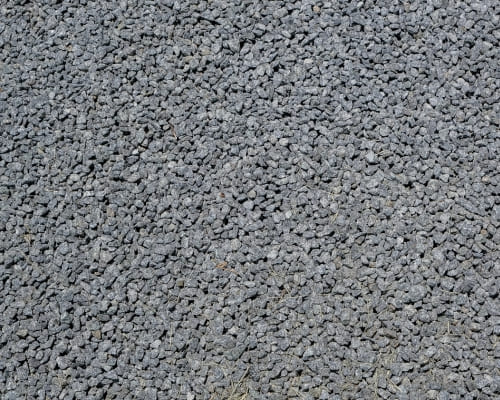
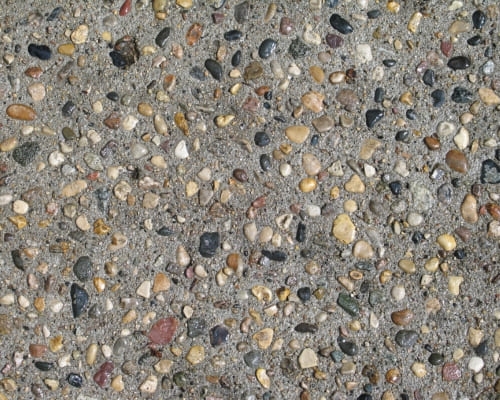
Exposed aggregate concrete for Werribee driveways, paths, alfresco and pool surrounds - washed to reveal the stone for grip and low upkeep. Compacted base, reinforced, sealed, fixed on-site quotes.
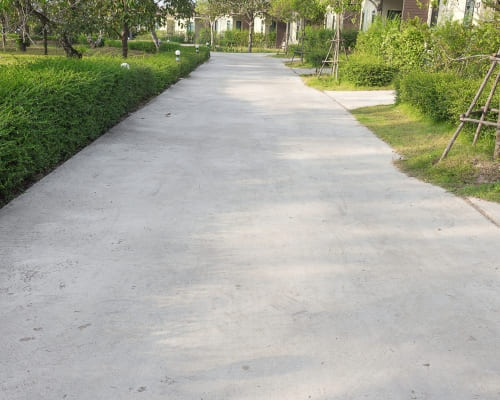
Coloured concrete driveways, paths and alfresco areas across Werribee and Wyndham, with oxide run through the mix rather than painted on. Test panel poured before the shade is committed. Call 0485 032 128.
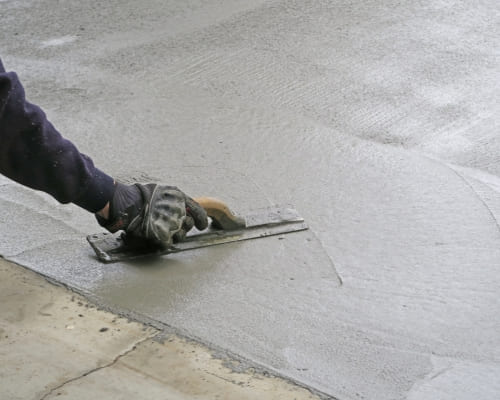
Sealing and resealing driveways, exposed aggregate and decorative concrete across Werribee and Wyndham. Preparation quoted as its own line item, because that is what decides whether a seal lasts. Call 0485 032 128.
TESTIMONIALS
What Our Concrete Stumps Customers Say About Us
The Process
3 Step Process For Your Concrete Stumps Needs

Site visit and fixed quote
It starts with a proper look at the block. The crew measures up, checks access and the lie of the ground, talks through what you want, and flags anything that could affect the pour, such as reactive clay, possible floaters or shallow rock, or drainage on low ground. For structural work that includes whether a soil test or site classification is needed. A fixed, itemised, on-site quote for the agreed scope follows, so there are no surprises later.

Preparation and pour
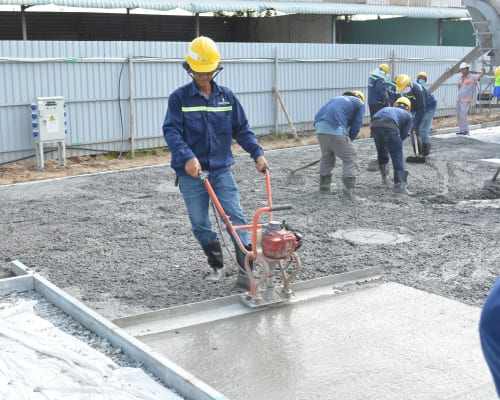
Good concrete is made before the truck arrives. The excavation goes to the right depth, allowing for any basalt floaters or shallow rock encountered. For slabs, paths and driveways a solid base is built and compacted, formwork is set to correct falls for drainage, and reinforcement is laid to suit the job, while holes for stumps and pier footings are bored to the depth on the engineer's details. On reactive sites the footing design follows those details. The pour is then finished to suit the job, from a broom finish, exposed aggregate or a decorative surface on a slab to a level, plumb top on a stump.

Curing, joints and clean finish
The last stage is where a lot of concrete work is won or lost. The concrete is cured deliberately, slowing surface evaporation to suit the dry, windy conditions common across the west, which helps reduce early cracking. On slabs and driveways, control joints are cut and placed to guide where any movement cracking appears, since joints control cracking rather than prevent it. Sealing is applied where it suits the finish, the site is tidied, and you are walked through curing times and how to look after new concrete in its first few weeks.
Concrete Stumps In Werribee
FREQUENTLY ASKED QUESTIONS
Everything you need to know about our Concrete Stumps In Werribee
How deep do concrete stumps need to go in Werribee?
Deeper than the layer of clay that moves with the seasons, and that depth is a site measurement rather than a standard figure. Werribee's basalt clay takes up water in winter and shrinks through summer, so anything founded inside that zone rises and falls with it. The depth of the zone varies across the region and even across one block, and it is deeper on an exposed site, deeper where a tree has been drawing moisture out for years, and different again on imported estate fill.
Can part of a house be restumped rather than all of it?
Yes, and partial work is common where the symptoms sit over one part of the plan. If the floor slopes along one wall, the doors bind in one room and the rest of the house is sound, replacing the stumps under that section addresses the cause without the cost and disruption of the whole footprint. The judgement comes from looking under the floor, because the stumps that have moved are not always the ones below the worst damage upstairs.
How long before a new concrete stump can take load?
Concrete gains usable strength over days rather than hours, and the wait varies with the mix, the stump diameter and the weather. A stump loaded too early can settle under the bearer or crack, which undoes the work. This curing time is the part of a stump job most often rushed, so it is built into the programme from the start rather than treated as a delay at the end. Cold or wet weather lengthens it.
Are concrete stumps better than adjustable steel stumps?
For most replacement work, yes, which is why concrete is the default. It does not decay, holds its bearing surface and can be founded as deep as the ground requires without the material becoming the weak link. Adjustable steel earns its place in narrower cases: where a floor may need re-levelling again later, or where subfloor clearance is too tight to pour and cure concrete in position. Steel still bears onto a concrete pad poured to proper depth.
What does it mean if doors stick only in winter?
That pattern usually points at seasonal ground movement under the stumps rather than at the door. Reactive clay swells as it takes up water through the wetter months, lifting whatever is founded in it, then shrinks back over summer. A door that binds every winter and clears every summer is tracking that cycle in the corner it sits in. Damage that only ever worsens suggests something else, more often drainage, a leaking service or a nearby tree.
Who handles lifting the house during a restump?
The structural lift and levelling sit with the building practitioner registered for that work, and the concreting runs alongside it. On a restump this crew bores the holes, places the reinforcement, pours the stumps and manages the curing, while the supporting, lifting and re-levelling of the floor is the registered builder's responsibility. Splitting it this way is normal on these jobs and it is worth confirming who holds which part before work starts.
Request A Free Concrete Stumps Quote
GET A FREE QUOTE
BUSINESS
SERVICES
OPERATING HOURS
Sun: 6am - 10pm
Mon: 6am - 10pm
Tue: 6am - 10pm
Wed: 6am - 10pm
Thu: 6am - 10pm
Fri: 6am - 10pm
Sat: 6am - 10pm