Honed Concrete Werribee, Smooth and Slip-Resistant
Every outdoor surface decision runs into the same conflict: smooth is comfortable and easy to clean, textured is safe when wet. Honed concrete is the finish that resolves it, which is why it is the standard specification around pools and across alfresco areas. Stopping the grinding sequence at a mid grit rather than carrying it through to gloss leaves a surface that feels smooth underfoot and sweeps clean, while retaining measurable grip wet, with no joints or grout lines anywhere in it. Across Werribee and the Wyndham corridor that work covers pool surrounds and coping, alfresco floors and formal driveways, on fresh pours specified for honing and on sound existing slabs assessed with a test patch first. Grit level and sealer are specified before work starts, since neither can be changed afterwards. Call 0485 032 128.
GET A FREE QUOTE
GET A FREE QUOTE
Peak Concreting Werribee
Honed Concrete Werribee: Driveways, Alfresco Areas and Pool Surrounds
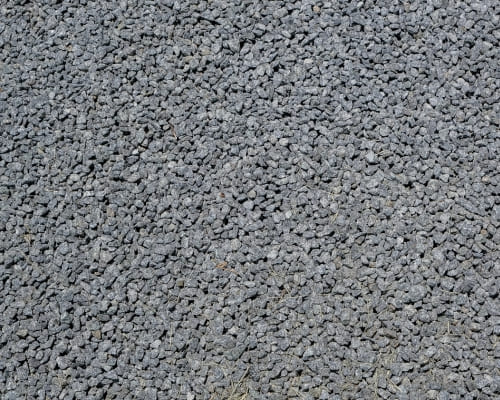
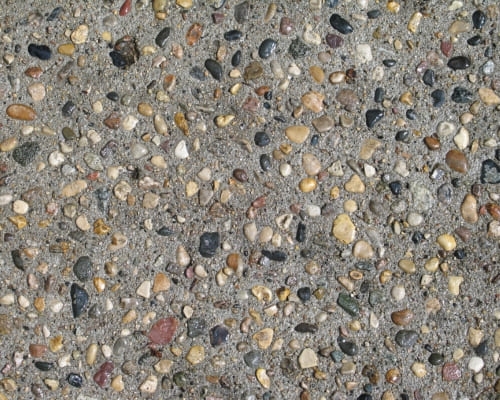
Honed concrete Werribee properties choose is a slab ground back just far enough to cut the cement skin off and expose the sand and fine stone within it, then sealed. The result is smooth but not glossy, with the stone visible and a surface that keeps grip when wet, which is the combination that makes it the default decorative finish around water. The four sections below cover where it goes and the one decision that changes the price most, which is whether the slab already exists.
Honed driveways and crossovers
A honed driveway gives the stone-on-show look of exposed aggregate with a far smoother surface, which suits a formal frontage and is easier to sweep and hose. The practical considerations are that honing a driveway means grinding a large area, so it is a significant cost on a long run, and that the sealer has to be rated for vehicle traffic. Where the driveway meets a council crossover, the honed finish stops at the boundary.
Alfresco areas, patios and entertaining spaces
An alfresco is where honed concrete is at its best, because it is under cover or partly shaded, so the sealer is out of the worst of the ultraviolet light and the surface stays cooler than an open slab. Honing also narrows the gap between a concrete floor and a tiled one considerably, giving a continuous surface with no grout lines, which is exactly what an outdoor room wants. A lower sheen keeps it safe when a glass goes over.
Pool surrounds and coping
Around a pool, honed concrete is the finish most often specified and for good reason: it is smooth enough to be comfortable on bare feet, textured enough at the right grit to keep grip wet, and continuous so there are no joints for water to sit in. Coping is honed to a radiused or bullnosed edge so there is nothing sharp where people climb out of the water, and the fall is set away from the pool so splash-out and rain carry debris off the surround rather than back in. Where the surround meets wet-edge or infinity detailing the levels are set off the waterline rather than the house.
Honing a fresh pour versus an existing slab
A fresh pour can be specified for honing from the start, with a decorative aggregate chosen and placed for it and a flatness suited to grinding, which gives the best result. An existing slab can usually be honed, but what the grinder finds is already fixed: the depth of the cement skin, how evenly the stone sat, where the patches are, and whether the slab is flat. A test patch establishes that before the whole area is committed.

Peak Concreting Werribee
How a Slab Is Ground Back, Honed and Sealed
Honing is the same mechanical process as polishing, stopped much earlier. Diamonds cut through the surface paste to expose the aggregate, then successively finer grits remove the scratch pattern of the previous pass, and the sequence is halted at a mid grit rather than taken to a gloss. Because it stops early the surface is matt to satin rather than reflective, and it keeps far more texture, which is the entire point outdoors. The three sections below cover how it is done.
Why honing is done on site and takes several passes
Honing cannot be done anywhere but on the finished slab, because it is the slab being cut. Machines work across the area pass by pass, each with a finer diamond, and skipping a grit leaves scratches that no later pass removes. Edges and corners are cut with a hand grinder since a walk-behind machine cannot reach them, and that edge work is slow. The number of passes is the main thing separating a cheap honed job from a good one.
Sealers that suit a honed surface outdoors
A honed surface outdoors is sealed with a penetrating product or a low-sheen topical, not a high-gloss one. Gloss defeats the purpose by making a wet surface slippery and by showing every water mark, and outdoors it degrades under ultraviolet light faster than it would inside. Penetrating sealers leave no film at all, so there is nothing to peel around a pool, while a low-sheen topical gives more stain protection and a little more depth to the stone.
Grinding dust, mess and how long the area is unusable
Grinding generates large volumes of fine silica dust, so machines run with industrial vacuum extraction rather than being swept up afterwards, and the area is isolated while work proceeds. Outdoors that is less disruptive than inside a house, but the surface is unusable for the duration and then through the sealer cure. Expect several days rather than one for a driveway or alfresco, with vehicles kept off for several days after sealing.
Peak Concreting Werribee
Why Werribee Homeowners Choose This Honed Concrete Contractor
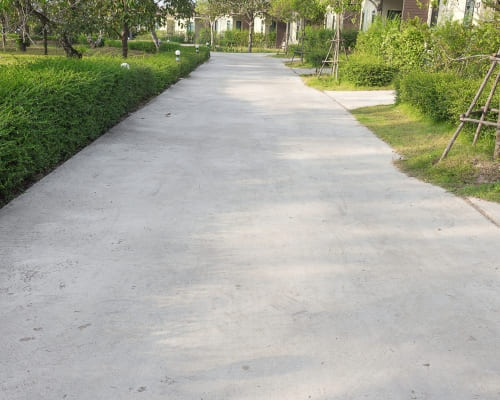
Honing is irreversible. The grit level, the depth of cut and how much stone shows are ground into the slab, and if the first coarse pass goes too deep there is no putting it back. The risk is highest on an existing slab, where what the grinder will find is unknown until it starts. Peak Concreting Werribee grinds a test patch before quoting a finish on existing concrete, and says plainly where the slab will not support the look being asked for. Quotes list the grit stages, public liability cover runs to twenty million dollars, and the finish is agreed in writing.
Twelve years of honed concrete across Werribee and the Wyndham corridor
Twelve years of concrete work across the Wyndham corridor covers both pouring slabs destined for honing and honing slabs poured by others. That matters because the useful knowledge is predictive: how deep the cement skin usually runs on a local mix, how evenly the stone settles, and what the unshaded summer sun on these flat blocks does to an outdoor sealer. Around the pools of Point Cook and Werribee South it also means knowing which grit keeps grip without feeling rough underfoot.
Peak Concreting Werribee
What Honed Concrete Costs in Werribee and Why It Is Priced Per Square Metre
Honed concrete is priced per square metre, and the rate is driven by the number of grinding passes the finish needs plus the edge work around the perimeter. That puts it clearly above a plain broom finish and below a full mechanical polish, with a fine honed level costing more than a first cut because every extra grit is another full pass over the whole area. On an existing slab, surface condition moves it further. The two sections below set out where the money goes.
How a honed concrete cost per square metre is worked out in Werribee
The rate covers the diamond tooling, the number of passes to the specified grit, the hand grinding at edges and corners, the dust extraction, the sealer and the labour. Pass count carries most of it, which is why two honed quotes can differ substantially and both be honest. The question that makes them comparable is how many grit stages are included and to what final grit, not which sealer is named.
Why honing costs more than a plain broom finish
A broom finish is completed in the same visit as the pour, by the same crew, with a broom. Honing is a second, separate operation days or weeks later, with its own machines, tooling, dust extraction and labour, followed by sealing and then resealing on a cycle for the life of the slab. The premium is not the look; it is an entire second trade attendance plus a consumable maintenance commitment that a broom finish never has.
Peak Concreting Werribee
Honed Versus Polished, Exposed Aggregate and Plain Concrete
Honed concrete sits in the middle of the decorative range, which makes it easy to recommend and easy to confuse with its neighbours. It is the same process as polishing stopped earlier, and the same stone-on-show idea as exposed aggregate reached a different way. Each of the three comparisons below turns on something specific, and in two of them the alternative is the better answer for a particular location. Honed is rarely the wrong choice outdoors, but it is often the expensive one where nobody sees the surface.
Honed versus polished: indoors or out
Honing and polishing are the same sequence stopped at different points, so the difference is sheen and grip. A polished floor is taken to a fine grit for gloss, which looks superb indoors and is slippery and prone to showing water marks outside. Honed stops at a mid grit, giving matt to satin with real texture retained. The simple rule is polish inside, hone outside, and the only common exception is an indoor wet area, which is better honed.
Honed versus washed exposed aggregate underfoot
Exposed aggregate reaches the stone by washing the surface paste off while the slab is green, which leaves the stone rounded and standing proud, so the surface is grippy but noticeably textured. Honing cuts the stone flat and level with the surrounding matrix, giving a smooth plane with the stone in section. Underfoot that is the whole difference: exposed aggregate has superb grip and is rough on bare feet, honed is comfortable barefoot and smooth to sweep.
Honed versus plain concrete
A plain broom finish is a great deal cheaper, is finished in one visit, and needs no sealer to perform, so for a shed floor, a side path or a utility area it is plainly the right choice. Honing earns its premium only where the surface is seen and used: a pool surround, an alfresco, a formal driveway. It is also worth noting that plain concrete can be honed later, so leaving the decision until budget allows is a legitimate plan.
Peak Concreting Werribee
Grit Levels and How Smooth a Honed Surface Gets
Grit is the number that actually specifies a honed finish, and it is the thing most quotes leave vague. It describes how fine the last diamond was, which sets both how smooth the surface feels and how much stone is visible, because a deeper initial cut exposes more aggregate. Three levels cover almost all outdoor work, and the two sections below describe what each feels like and what shows at each, so a finish can be asked for precisely rather than by adjective.
First cut, mid and fine honed levels
A first cut stops after the coarse passes: the cement skin is off, the surface is flat and matt with visible grinding texture, and it is the cheapest and grippiest of the three. A mid hone carries on through medium grits to a smooth matt surface with no felt texture but no sheen, which is the usual specification for pool surrounds and alfrescos. A fine hone continues further to a satin surface that begins to catch light without becoming glossy.
How much stone shows at each level
Stone exposure is governed by cut depth rather than final grit, but the two usually travel together. A shallow cut shows sand and the tips of the smallest stones, reading as a fine speckle. Going deeper brings larger aggregate into view as a scattering, then as a continuous field at full exposure. On an existing slab the achievable depth is limited by how much cover sits over the stone and by the reinforcement below, which is what the test patch establishes.
Peak Concreting Werribee
Slip Resistance Around Pools and on Sloped Driveways
Slip resistance is the reason honed concrete exists as a category separate from polished, and it is worth treating as a specification rather than a hope. Two places on a property make it critical: anywhere people walk wet and barefoot, and any surface steep enough that a slip becomes a fall. Grit is only part of it, and the part most people stop at. The sealer matters just as much, because a glossy film will glaze over a correctly honed surface and undo it, and an anti-slip additive can change a surface measurably without changing how it looks. The two locations below are where those choices get made.
Barefoot comfort and heat around a pool
A pool surround has to satisfy two things that pull against each other: smooth enough to be comfortable on bare feet, textured enough to keep grip wet. A mid hone with a penetrating or low-sheen sealer is the usual answer, since a gloss film is the single worst choice there. Heat is the other half and is often overlooked, because a dark honed slab in full Werribee summer sun gets genuinely too hot to stand on, so lighter tones win.
Keeping grip on a sloped Werribee driveway
On a sloped driveway, particularly one falling towards a garage or a basement, a smooth sealed surface is a real hazard when wet. The answer is a coarser grit than an alfresco would get, kept at a first cut or light mid hone, combined with a penetrating sealer that leaves no film to glaze over. Where a slope is steep an anti-slip additive is broadcast into a topical sealer, which barely alters the appearance but changes the surface measurably.
Related Concreting Services
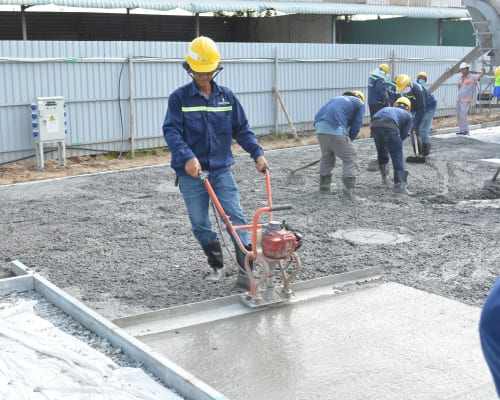
Polished concrete floors across Werribee and Wyndham, from salt and pepper to full stone exposure. Mechanically polished with no coating to peel, or grind and seal where the budget suits. Call 0485 032 128.
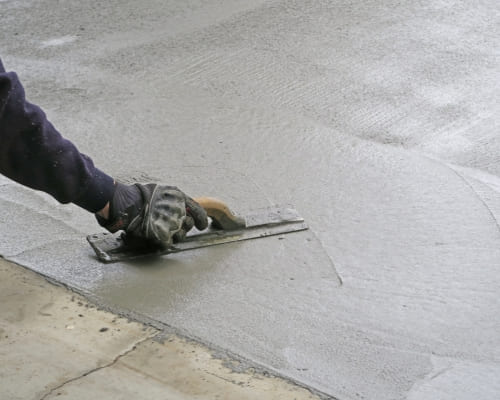
Exposed aggregate concrete for Werribee driveways, paths, alfresco and pool surrounds - washed to reveal the stone for grip and low upkeep. Compacted base, reinforced, sealed, fixed on-site quotes.
Sealing and resealing driveways, exposed aggregate and decorative concrete across Werribee and Wyndham. Preparation quoted as its own line item, because that is what decides whether a seal lasts. Call 0485 032 128.
TESTIMONIALS
What Our Honed Concrete Customers Say About Us
The Process
3 Step Process For Your Honed Concrete Needs

Site visit and fixed quote
It starts with a proper look at the block. The crew measures up, checks access and the lie of the ground, talks through what you want, and flags anything that could affect the pour, such as reactive clay, possible floaters or shallow rock, or drainage on low ground. For structural work that includes whether a soil test or site classification is needed. A fixed, itemised, on-site quote for the agreed scope follows, so there are no surprises later.

Preparation and pour
Good concrete is made before the truck arrives. The excavation goes to the right depth, allowing for any basalt floaters or shallow rock encountered. For slabs, paths and driveways a solid base is built and compacted, formwork is set to correct falls for drainage, and reinforcement is laid to suit the job, while holes for stumps and pier footings are bored to the depth on the engineer's details. On reactive sites the footing design follows those details. The pour is then finished to suit the job, from a broom finish, exposed aggregate or a decorative surface on a slab to a level, plumb top on a stump.

Curing, joints and clean finish
The last stage is where a lot of concrete work is won or lost. The concrete is cured deliberately, slowing surface evaporation to suit the dry, windy conditions common across the west, which helps reduce early cracking. On slabs and driveways, control joints are cut and placed to guide where any movement cracking appears, since joints control cracking rather than prevent it. Sealing is applied where it suits the finish, the site is tidied, and you are walked through curing times and how to look after new concrete in its first few weeks.
Honed Concrete In Werribee
FREQUENTLY ASKED QUESTIONS
Everything you need to know about our Honed Concrete In Werribee
What is the difference between honed and polished concrete?
They are the same mechanical process stopped at different points. Both grind the slab with progressively finer diamonds; polishing continues to a very fine grit to produce gloss, while honing halts at a mid grit and leaves a matt to satin surface with real texture retained. The practical consequence is where each belongs. A polished floor looks superb indoors and is slippery and shows water marks outside. Honed concrete keeps its grip wet, which is why it is the standard choice for pool surrounds, alfrescos and driveways.
Is honed concrete slippery around a pool?
Not at the right grit with the right sealer, and this is the main reason honed is specified around water rather than polished. A mid hone keeps measurable texture even though it feels smooth, and the sealer choice decides the rest: a penetrating product leaves no film at all, so the surface keeps exactly the slip resistance it has, whereas a high-gloss topical film is genuinely dangerous there. An anti-slip additive can also be broadcast into a topical sealer where extra grip is wanted, without changing the look much.
Can an existing concrete slab be honed?
Usually yes, and it is a good way to transform a sound but plain slab without replacing it. What the grinder will find is already fixed though: how deep the cement skin runs, how evenly the stone settled during the pour, where old patches and trench fills are, and whether the slab is flat enough to grind consistently. Honing reveals all of it. A test patch ground in an inconspicuous corner establishes the achievable finish and stone exposure before the whole area is committed, which is cheap insurance.
Does honed concrete get hot in summer?
Colour decides that far more than the finish does. A dark charcoal honed slab in full summer sun on a Werribee block gets genuinely too hot to stand on barefoot, which is why pool surrounds are kept to lighter sandstone, buff and pale grey tones rather than the charcoals that look so good on a driveway. Shade helps considerably, so an alfresco under a roof can take a darker tone comfortably. It is worth deciding colour against where the surface actually is.
How often does honed concrete need resealing?
It depends which sealer is on it. A topical low-sheen film wears and needs recoating every few years, sooner in the wheel lanes of a driveway and sooner again on these flat unshaded blocks where the summer sun is strong. A penetrating sealer lasts considerably longer because there is no film to wear away. The water test is the practical indicator: if water darkens the surface as it soaks in rather than beading on it, the seal has gone and a reseal is due.
Can honed concrete be coloured?
Yes, and the combination works particularly well, because honing cuts through the surface skin to expose the sand and fine aggregate within a coloured slab, which gives a deeper and stonier version of the same oxide than a plain finish shows. Integral colour is the method to use rather than dry shake, since a dry shake only colours the top few millimetres and honing grinds straight through it. The colour and the honing are quoted as separate items rather than as one rate.
Request A Free Honed Concrete Quote
GET A FREE QUOTE
BUSINESS
SERVICES
OPERATING HOURS
Sun: 6am - 10pm
Mon: 6am - 10pm
Tue: 6am - 10pm
Wed: 6am - 10pm
Thu: 6am - 10pm
Fri: 6am - 10pm
Sat: 6am - 10pm