Exposed Aggregate Concrete Werribee, Stone on Show
Exposed aggregate is the most-requested decorative finish across the Wyndham corridor, and for good reason. Instead of a smooth top layer, the surface is washed back to reveal the stones in the mix, giving a textured, hard-wearing finish with genuine grip underfoot. That grip and its knack for hiding marks make it a favourite for driveways, paths and pool surrounds on family blocks from Point Cook to Wyndham Vale. It handles Werribee's dry, sunny climate well and suits both new estate builds and replacements on older homes. Exposed aggregate is laid over a properly compacted base with steel reinforcement and control joints, then revealed and sealed for a finish that lasts. Every job is priced with a fixed, itemised on-site quote. Call 0485 032 128 to see samples.
GET A FREE QUOTE
GET A FREE QUOTE
Peak Concreting Werribee
Exposed Aggregate Concrete Werribee: Driveways, Paths and Alfresco
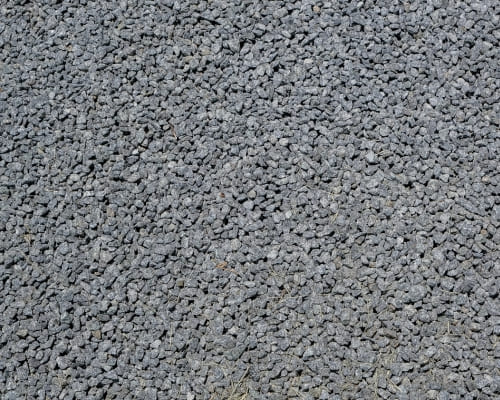
Exposed aggregate is standard concrete with the top skin of cement washed away before it fully hardens, exposing the decorative stones packed into the mix. Because the finish is the stone rather than a coating, it wears in rather than out, which is why it suits high-traffic areas instead of degrading on them. That one difference explains most of its popularity across the Wyndham corridor: a painted or topped surface has a failure mode, and this does not. It goes down on driveways, front paths, alfresco areas and pool surrounds, and the same slab fundamentals apply underneath all of them, with the finish decided by the stone rather than anything applied later.
Exposed aggregate driveways and crossovers
The driveway is where it earns its keep. The pebbled texture grips in the wet on a sloped entry, and it hides the tyre marks, oil spots and leaf stain that a smooth slab displays. Where the crossover is being done at the same time, the council section is poured to the required specification and the stone run through so the two read as one surface rather than a patch at the kerb.
Paths, alfresco areas and pool surrounds
Around a pool the non-slip texture is the whole argument, and it is the reason exposed aggregate is the default choice on Werribee pool surrounds over anything polished. Wet feet on a smooth surface is how people get hurt, and a pebbled finish keeps grip even when water is sitting on it. Front paths and alfresco areas get it for the same reason plus the look, and because a textured surface does not show every scuff from outdoor furniture being dragged across it. Falls matter as much as texture here, because water has to leave a pool surround rather than pond against the coping.
Honed exposed aggregate for a smoother surface
Honing takes a grinder to a cured exposed aggregate surface, cutting the stone tops flat so the finish is smoother underfoot while still showing the aggregate. It reads as more refined and costs more, and it gives up some grip in doing so, which is a fair trade on an alfresco and a poor one on a steep driveway. Full details sit on the honed concrete page.
Peak Concreting Werribee
How an Exposed Aggregate Finish Is Washed and Sealed
Exposed aggregate rewards timing, and that is where experience shows. It can be laid two ways: seeded, where decorative stone is broadcast onto the surface of a fresh pour and worked in, or through-mix, where the aggregate is batched throughout the concrete so it keeps exposing as it wears. Either way it starts with the same fundamentals as any good slab: a compacted crushed-rock base, steel reinforcement, correct thickness and control joints to manage shrinkage. Exposed aggregate is a decorative driveway and paving finish rather than a structural slab, so it is built to sound trade practice, not to AS 2870.
Placing, washing back and exposing the stone
Once the slab is poured, the surface is washed and revealed at the right moment, taking off just enough cement paste to show the stone evenly without dislodging it. In Werribee's dry, windy conditions that window moves fast. Rush it and the stone lifts and the finish patches; leave it too long and the wash becomes hard work that marks the surface. Reading that window on the day is the single biggest difference between a good exposed aggregate job and a blotchy one.
Sealing an exposed aggregate surface and resealing later
Sealing lifts the colour of the stone, binds the pebbles into the surface and makes the driveway far easier to hose clean. It is not permanent. A sealed surface wants resealing every few years, sooner on a driveway in full sun than on a sheltered path, and that is a modest ongoing cost worth knowing about before choosing the finish rather than after.
Keeping the finish even across a large pour
Evenness is the hardest part on a big area, because the first corner poured is drying while the last is still going down. It is managed by sequencing the pour, keeping the crew size matched to the area, and washing back in the same order the concrete was placed. On a long driveway that sometimes means splitting the job at a control joint rather than chasing a single pour that cannot be finished evenly.
Peak Concreting Werribee
Why Werribee Homeowners Choose This Exposed Aggregate Contractor
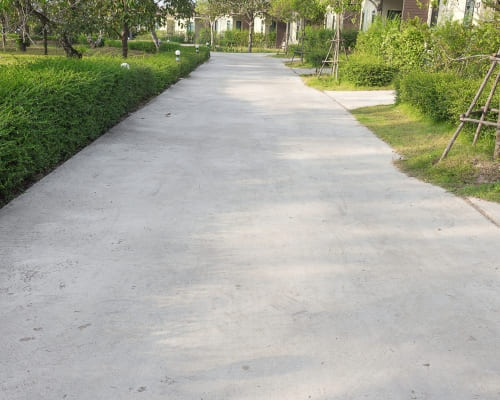
Peak Concreting Werribee is run by an owner who has spent more than 12 years laying concrete, including a great deal of exposed aggregate, across Werribee and the west. Public liability cover is held, with a certificate of currency on request, and every quote is fixed, itemised and given on site, so the finish, the stone and the price are settled before work begins. Decorative concrete is the part of the trade where experience shows most plainly, because the slab underneath is the same work as any other pour and everything that makes it look right happens in a window of about an hour.
The same crew pours the slab and reveals it
On decorative work the finish is decided by whoever is holding the hose on the day, not by whoever quoted it, which is why the pour and the reveal are not handed to different people here. There is no subcontractor arriving to wash back a slab somebody else placed, and no account manager relaying a decision that has to be made in the moment. What sealing and colour do over time is explained honestly rather than dressed up as a finish that stays showroom-fresh forever, and where excavation might meet floaters or shallow rock that is raised at quote time and allowed for. Call 0485 032 128 and ask to see recent local jobs.
Peak Concreting Werribee
What Exposed Aggregate Concrete Costs in Werribee and Why It Is Priced Per Square Metre
Exposed aggregate is priced per square metre and sits above plain concrete for two reasons that are worth separating: the decorative stone is a material plain concrete does not carry, and the reveal and the seal are labour steps a broom finish never needs. The choice of stone blend moves the material half, and the area and access move the labour half. The usual site variables apply on top, including removing an old surface, tight access, added thickness for vehicles, and any rock or floaters that have to be broken out.
What the stone, the reveal and the seal each add
Three things account for the gap. The decorative stone itself is a material cost that plain concrete does not carry, and premium blends cost more again. The reveal is a second visit to the surface at a time the crew cannot choose, which is labour a broom finish never needs. And the seal is a further coat with a product cost, plus the resealing every few years afterwards. None of that is padding, and the dependable figure is still the itemised on-site quote priced on your area, your stone and your site.
Peak Concreting Werribee
Exposed Aggregate Versus Plain Concrete, Pavers and Tiles
Each surface trades off look, grip, cost and upkeep differently, and the right answer depends on where it is going and who walks on it. Exposed aggregate lands in the practical middle for outdoor living: strong grip, marks well hidden, a natural stone look, in exchange for a slightly coarser feel underfoot and periodic resealing. The comparisons below are the three that actually come up when a Werribee homeowner is deciding, and each is a genuine trade rather than a one-sided case, because there are blocks where pavers or a plain broom finish is the better call.
Exposed aggregate versus plain concrete
Plain broom-finished concrete is the cheapest and the toughest, and it is the honest default on a long rural run or a budget job. It is also the plainest and shows marks the most: tyre rubber, oil, leaf tannin and hose stains all read clearly on a flat grey surface. Exposed aggregate costs more up front and hides all of it, which is most of why Wyndham homeowners pay the difference on a front driveway.
Upkeep compared with pavers that shift and weed
Pavers can be lifted and relaid and look sharp on day one, but every joint is a path for water, weeds and ants, and the bedding sand beneath them moves as reactive clay works, so the surface goes uneven and the edges creep. Exposed aggregate is one continuous slab with control joints where they were cut, so there is nothing to re-level and nothing growing through it.
Exposed aggregate versus outdoor tiles
Tiles give the most controlled look and the widest colour range, and on an alfresco they can be excellent. Outdoors they bring two problems: a tiled surface needs a sound slab underneath it anyway, so it is a finish on top of a cost rather than instead of one, and tile grout and edges fail first under sun, movement and water. Many glazed tiles are also genuinely slippery wet, which rules them out around a pool where exposed aggregate is chosen for grip.
Peak Concreting Werribee
What Suits a Werribee Block: Slope, Aspect and Existing Concrete
Exposed aggregate suits most Werribee blocks, but not every part of every block, and the decision is worth making before the stone is ordered rather than after. Three things on a specific block change the answer: how steep the entry is and whether it runs wet, which way the area faces and how hot the stone will get underfoot, and whether there is existing concrete the new work has to sit alongside. None of those show up in a brochure, and all three are easier to deal with at quote stage than after a slab is down and the stone is set.
Slope, grip and driveways that get wet
The steeper the entry, the stronger the case. A sloped driveway that runs wet in winter is exactly where a pebbled surface beats anything smooth, and it is the reason a honed or polished finish is the wrong call on a steep approach however good it looks. The same logic applies to a path that runs down the shaded south side of a house and stays damp.
Heat underfoot on a north-facing alfresco
Stone colour changes how hot a surface gets, and a dark basalt-toned blend on a north-facing alfresco or pool surround will be uncomfortable barefoot in February in a way a lighter river-pebble blend will not. Werribee gets genuine heat and very little shade on a new-estate block, so this is not a theoretical point: it decides whether an area gets used on the days it was built for. That trade-off gets raised when the blend is chosen, because it is a decision nobody can reverse once the slab is down short of grinding or replacing the surface. Where a dark blend is wanted for the look, putting it on a shaded path and a lighter blend underfoot is the usual compromise.
Matching new exposed aggregate to an existing slab
Matching an existing exposed aggregate surface is harder than people expect. The stone supply changes over years, the original has weathered and the seal has aged, so a new section poured alongside will read differently even with the same blend. Where that matters, the honest options are to pour to a joint and let the two read as separate areas, or to redo the lot, and both get put on the table rather than promising an invisible join.
Peak Concreting Werribee
Stone Colours and Aggregate Blends to Choose From
The stone is the finish, so choosing the blend is the design decision on the whole job. Colour comes through the base concrete and the choice of aggregate together, not from a coating applied afterwards, which means it cannot be changed later without grinding the surface back or replacing it. A driveway is also the largest single flat plane visible from the street, so a blend that argues with the render or the roof is far more noticeable than the same colour would be anywhere else on the property.
Choosing stone to suit a render and roof colour
Warm river pebbles sit well against cream and sand renders and terracotta roofs. Crushed granite and darker basalt-toned blends suit the charcoal and grey palettes common across the newer Tarneit, Truganina and Manor Lakes builds. The driveway is a large flat plane in front of the house, so a blend that fights the facade is noticeable in a way a cushion colour is not.
Pebble size, light and dark blends
Pebble size changes both the texture underfoot and how busy the surface looks. A smaller stone reads finer and feels smoother; a larger stone reads bolder and grips harder. Light blends hide dust and stay cooler but show oil; dark blends hide marks but show dust and hold heat. There is no best answer, only the one that suits the aspect, the house and who is walking on it barefoot.
Seeing a sample slab before you commit
Brochure photographs are lit and wet, and a blend never looks the same on a driveway in daylight. Local samples are kept so a blend can be matched against the actual house, in the actual light, before anything is ordered. Looking at a finished local job in the same stone is better again, which is worth asking for on a decision this permanent.
Related Concreting Services
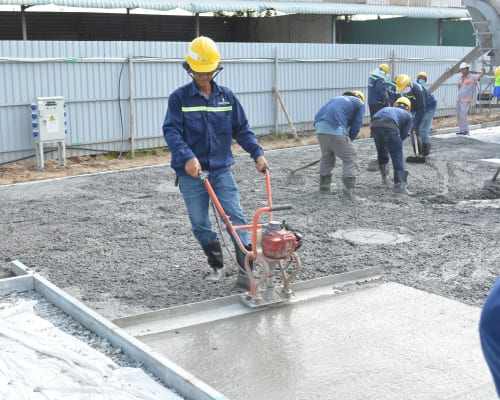
Polished concrete floors across Werribee and Wyndham, from salt and pepper to full stone exposure. Mechanically polished with no coating to peel, or grind and seal where the budget suits. Call 0485 032 128.
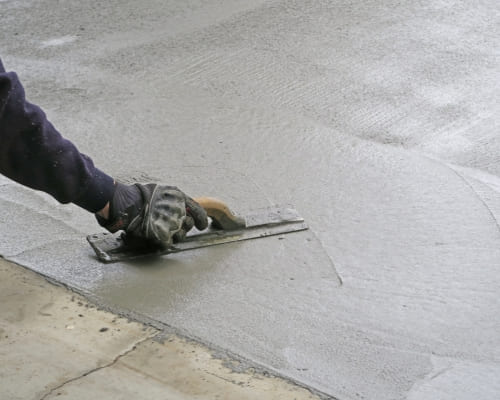
Honed concrete driveways, alfresco areas and pool surrounds across Werribee and Wyndham. Ground to a specified grit and sealed at low sheen, so it stays smooth underfoot and grippy wet. Call 0485 032 128.
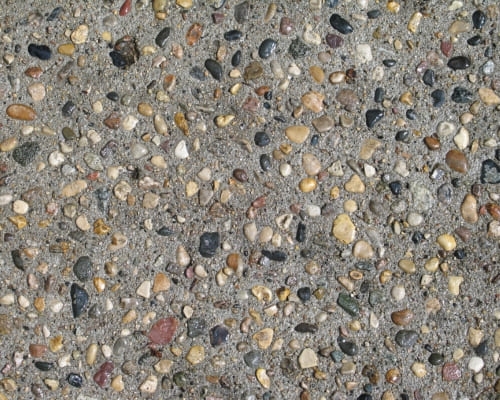
Sealing and resealing driveways, exposed aggregate and decorative concrete across Werribee and Wyndham. Preparation quoted as its own line item, because that is what decides whether a seal lasts. Call 0485 032 128.
TESTIMONIALS
What Our Exposed Aggregate Concrete Customers Say About Us
The Process
3 Step Process For Your Exposed Aggregate Concrete Needs

Site visit and fixed quote
It starts with a proper look at the block. The crew measures up, checks access and the lie of the ground, talks through what you want, and flags anything that could affect the pour, such as reactive clay, possible floaters or shallow rock, or drainage on low ground. For structural work that includes whether a soil test or site classification is needed. A fixed, itemised, on-site quote for the agreed scope follows, so there are no surprises later.

Preparation and pour
Good concrete is made before the truck arrives. The excavation goes to the right depth, allowing for any basalt floaters or shallow rock encountered. For slabs, paths and driveways a solid base is built and compacted, formwork is set to correct falls for drainage, and reinforcement is laid to suit the job, while holes for stumps and pier footings are bored to the depth on the engineer's details. On reactive sites the footing design follows those details. The pour is then finished to suit the job, from a broom finish, exposed aggregate or a decorative surface on a slab to a level, plumb top on a stump.

Curing, joints and clean finish
The last stage is where a lot of concrete work is won or lost. The concrete is cured deliberately, slowing surface evaporation to suit the dry, windy conditions common across the west, which helps reduce early cracking. On slabs and driveways, control joints are cut and placed to guide where any movement cracking appears, since joints control cracking rather than prevent it. Sealing is applied where it suits the finish, the site is tidied, and you are walked through curing times and how to look after new concrete in its first few weeks.
Exposed Aggregate Concrete In Werribee
FREQUENTLY ASKED QUESTIONS
Everything you need to know about our Exposed Aggregate Concrete In Werribee
Is exposed aggregate slippery around a pool or on a sloped driveway?
No, and that is one of its main advantages in this setting. The washed, textured surface gives real grip underfoot, which is exactly why it is a popular pool surround and driveway finish across Werribee and Point Cook. It is a far safer wet-area choice than a honed or polished finish, which can be slick when wet. If anything, its grip is what wins it the job on sloping blocks and around water.
How does exposed aggregate hold up in Werribee's hot, dry summers?
It handles the local climate well, and being through-and-through stone rather than a thin coating it does not peel or flake in the heat. The bigger climate factor is at pouring time, because Werribee's dry, windy summers pull moisture out of fresh concrete fast, so the pour and the reveal are timed carefully and the slab cured properly. Get that right and the finish holds its look for years. Periodic resealing keeps the colour up and the surface protected against the sun.
How often does exposed aggregate need resealing?
As a general rule every few years, though it depends on traffic, sun exposure and how the surface is used. A driveway that cops full western sun and daily car traffic will want resealing sooner than a sheltered path. Sealing is what keeps the colour rich, binds the surface stones and makes it easier to hose clean. A sensible schedule for your particular job and finish is set out as part of the quote.
Can I lay exposed aggregate over my existing concrete?
Not as true exposed aggregate, since the finish is created within a fresh pour rather than applied on top. Where the existing concrete is sound, an aggregate-look resurfacing overlay can give a similar appearance, but that is a different product with different wear. Where the existing slab is cracked or lifting, which is common on older Werribee blocks over reactive clay, the honest answer is usually to replace it rather than dress over a failing base. What you have gets assessed on site and the straight options put to you.
What colours and stones can I choose from?
Plenty, and the final look comes from combining the base concrete colour with the aggregate blend. Warm river pebbles, crushed granites and darker basalt-toned stones all give distinct results, from soft and sandy to dark and contemporary. Because the same blend can look different in full Werribee sun versus shade, samples are brought on site so they can be judged in your own light. Choosing with real samples rather than a brochure is the best way to avoid surprises once it is down.
Does exposed aggregate crack like ordinary concrete?
It is concrete, so the same rules apply: fine shrinkage cracking is possible and control joints are there to steer it to the joint lines. On Werribee's reactive basalt clay, a compacted base, correct thickness, reinforcement and good drainage all reduce the movement stress that drives cracking. The decorative surface does not make it any more or less prone to it than plain concrete of the same build. The slab underneath the finish is built to cope with local ground, because a beautiful surface on a poor base does not last.
Request A Free Exposed Aggregate Concrete Quote
GET A FREE QUOTE
BUSINESS
SERVICES
OPERATING HOURS
Sun: 6am - 10pm
Mon: 6am - 10pm
Tue: 6am - 10pm
Wed: 6am - 10pm
Thu: 6am - 10pm
Fri: 6am - 10pm
Sat: 6am - 10pm