Polished Concrete Werribee, Floors Built to Last
Polished concrete turns the slab already under the house into the finished floor, ground with progressively finer diamonds, chemically densified to harden the top few millimetres, and sealed so nothing soaks in. Because the gloss comes from the concrete itself rather than from a coating, there is no film to scuff, peel or recoat, which is why a polished floor is measured in decades rather than in wear layers. Across Werribee and the Wyndham corridor the work runs through living areas and kitchens, garages and workshops that take a car, and outdoor areas finished at a low sheen rather than a gloss. Exposure runs from salt and pepper through to full stone, limited by what the existing slab will allow, which is established with a test patch before any finish is committed to. Call 0485 032 128.
GET A FREE QUOTE
GET A FREE QUOTE
Peak Concreting Werribee
Polished Concrete Werribee: Homes, Garages, Workshops and Alfresco
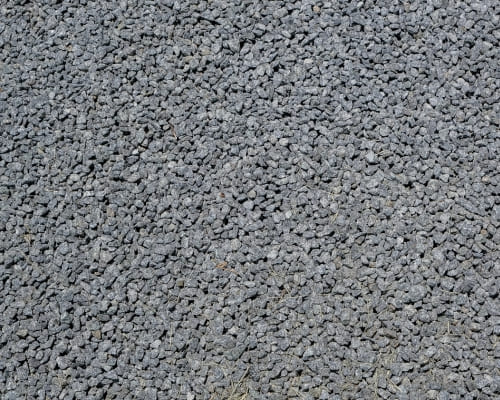
Polished concrete Werribee homes and sheds use is the same process applied to very different floors, and the brief changes completely with the room. A living area is judged on how it looks and feels underfoot. A garage is judged on whether it survives a hot tyre and a dropped spanner. A workshop is judged on abrasion. And an outdoor area cannot have the finish the other three want. The four below are where the process goes, and what each demands of the slab beneath it.
Polished floors through living areas and kitchens
Through a living area the floor becomes the main visual surface in the house, so exposure level and gloss are chosen against the cabinetry and the light rather than in isolation. Polished concrete suits open plan because it runs continuously with no thresholds or grout lines to break the span, and it works well over hydronic or in-slab heating since concrete holds and releases heat slowly. The trade-off is acoustics, because a hard continuous surface reflects sound that carpet and timber absorb.
Garage and workshop floors that take a car
A garage or workshop floor is a wearing surface first. Polishing closes the concrete's pores so oil, brake fluid and coolant sit on top long enough to be wiped rather than soaking in and staining permanently, and the densified surface resists the abrasion of grit carried in on tyres. Hot tyre pickup, which lifts coating-based floors, is not a failure mode for a mechanically polished floor because there is no film to lift. Dust generation from a bare slab also stops.
Concrete polishing on an existing slab versus a new pour
Concrete polishing on an existing slab is retrofitting, and the slab has already made most of the decisions. A new pour reverses that, because everything that limits a retrofit can be specified instead: the mix design, the aggregate type, colour and size, the flatness tolerance, and a curing regime that does not leave the surface soft. The builder also has to be told the slab is a finished floor, so it is not used as a work surface, drilled for temporary propping or left with adhesive and paint on it. A floor specified this way reaches finishes a retrofit cannot.
Alfresco and outdoor areas: why gloss stays inside
High-gloss polished concrete belongs indoors. Outside it is slippery when wet, the sealer breaks down under ultraviolet light, and the surface shows every water mark, so an alfresco or patio gets a ground and sealed finish at a low sheen instead, or a honed surface that keeps texture. The grinding is the same work; the finishing stages and the product are different. Anyone promising a mirror finish on an outdoor slab is selling something that will not last a summer.
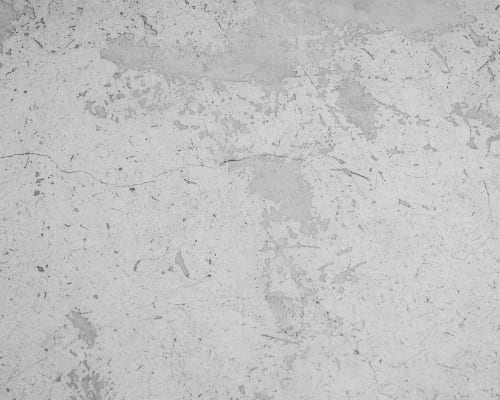
Peak Concreting Werribee
How a Concrete Floor Is Ground, Densified and Sealed
Polishing is a sequence rather than a treatment, and the result is produced by abrasion and chemistry rather than by anything laid on top. The floor is cut with progressively finer diamonds, hardened chemically part way through, and finished either by continuing to polish the concrete itself or by sealing it. Understanding the sequence is what makes the quotes comparable, because the number of passes is the main thing that varies between a cheap job and a good one.
Diamond grinding stages and grit progression
The first pass uses coarse metal-bonded diamonds to cut through the surface paste and expose aggregate to the chosen depth. Successive passes step up through finer grits, each one removing the scratch pattern left by the last, and skipping a step leaves marks that no amount of later polishing takes out. A full mechanical polish runs through many stages to a very fine resin diamond; a grind and seal stops after the early ones. That count is the real difference in price.
Densifiers, sealers and gloss levels
A densifier is a liquid chemical applied mid-sequence that reacts with the concrete to harden it through the top few millimetres, which is what allows a high polish to be taken and held. A penetrating sealer then soaks in to resist staining without forming a film. Gloss is a product of how far the polishing was taken, not of a coating, which is why a mechanically polished floor cannot peel. Sheen is chosen from matt through satin to high gloss.
Dust control and how long the house is out of action
Grinding generates a great deal of fine silica dust, so the work is done with industrial vacuum extraction on the machines rather than swept up afterwards, and areas are sheeted off from the rest of the house. Even so it is disruptive work and the floor is unusable while it runs. A residential floor typically means several days with the area emptied, plus curing time for the sealer, which is worth planning around rather than discovering.
Peak Concreting Werribee
Why Werribee Homeowners Choose This Polished Concrete Contractor
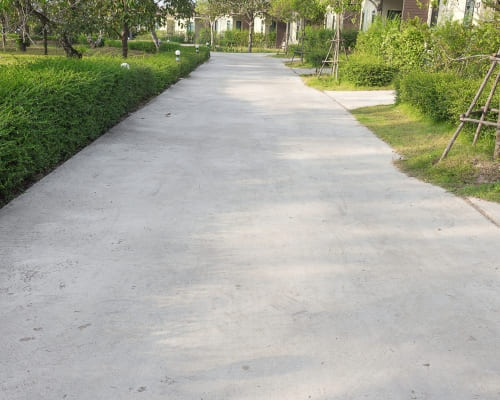
Polished concrete is the one concrete finish that cannot be corrected afterwards. The exposure level, the flatness and the gloss are ground into the slab, and if the first coarse pass cuts too deep the aggregate is exposed and there is no going back. Peak Concreting Werribee assesses what a slab will actually allow before quoting a finish, and says plainly where the aggregate or the cover will not support the look being asked for. Quotes are fixed and itemised with the grit stages listed, public liability cover runs to twenty million dollars, and nothing changes without agreement in writing.
Twelve years of concrete floor work across Werribee and the Wyndham corridor
Twelve years of concrete work across Melbourne's west covers both sides of this job: pouring slabs that are later polished, and polishing slabs somebody else poured. That combination is what makes the assessment reliable, because knowing how a slab was placed and finished tells you what grinding will find in it. A floor quoted at full stone exposure on a slab with shallow cover is the expensive mistake this trade makes, and it is avoidable at the inspection.
Peak Concreting Werribee
What Polished Concrete Costs in Werribee and Why It Is Priced Per Square Metre
Polished concrete is priced per square metre, and the rate is driven almost entirely by how many grinding passes the specified finish needs. That gives a clear order of cost: a grind and seal at low sheen is the cheapest floor on this page, a mid-level mechanical polish sits above it, and a full stone exposure taken to high gloss is the dearest, because every extra grit stage is another full pass over the whole floor. Site condition then moves the rate in either direction.
How a polished concrete cost per square metre is worked out in Werribee
The rate covers the diamond tooling, the number of passes, the densifier, the sealer, the dust extraction and the labour, with the pass count carrying most of it. Two quotes for polished concrete can differ by a lot and both be honest, because one may be four stages and the other ten. Asking how many grit stages a quoted rate includes, and to what final grit, is the only way to compare them properly.
Why exposure level and floor size change the quote
Exposure sets how deep the first coarse cut has to go, and cutting deeper is slower and harder on tooling. Floor size works the other way, spreading the cost of getting machines and extraction to site, so a small bathroom floor carries a much higher rate per metre than an open plan living area. Removing old tile adhesive, carpet glue or vinyl, levelling a slab that is out of plane, and filling existing cracks are all additional and all common on existing floors.
Peak Concreting Werribee
Polished Concrete Versus Tiles, Timber and Epoxy
Polished concrete competes with three very different floors, and it does not win against all of them on every count. Tiles compete on cost and on being replaceable. Engineered and floating timber competes on warmth and acoustics. Epoxy competes in garages and workshops on price and on colour. Each comparison turns on something specific, so they are taken separately below rather than settled with a general claim about durability. Worth saying plainly: for a bedroom or a lounge where warmth and quiet matter most, timber is often the better floor, and polished concrete is the wrong recommendation.
Polished concrete versus tiles
Tiles are cheaper to supply and a damaged tile can be replaced, which polished concrete cannot match. What tiles bring with them is grout: hundreds of metres of a porous, staining, cleanable-but-never-clean line through the floor, plus the risk of a tile drumming or lifting where the bed has failed. Polished concrete is the slab itself, so there is nothing to debond. Underfoot both are hard and cold, and both reflect sound.
Why polished concrete outlasts floating timber
Floating timber is warmer underfoot, quieter and cheaper to install, and for many rooms it is the nicer floor. It is also a wear layer a few millimetres thick over a board that swells if it gets wet, which rules it out of a laundry, an entry off a wet yard, or anywhere a leak is plausible. Polished concrete has no wear layer to go through and is unaffected by water, so its life is measured in decades.
Polished concrete versus epoxy coating
Epoxy is cheaper per square metre in a garage, goes on in a day or two, and comes in any colour, including flake systems that hide marks. It is a film bonded to the slab, which is the whole difference: it can be lifted by hot tyre pickup, it chalks and yellows under ultraviolet light near a roller door, and it debonds anywhere moisture rises through the slab. A polished floor has no film, so none of those failure modes exist.
Peak Concreting Werribee
Grind and Seal Versus Mechanically Polished Concrete
These two are sold under the same name and are not the same product, which is the single most common source of confusion and of disappointment in this trade. One is a coated floor; the other is a polished slab. They look broadly similar on handover day and behave entirely differently over ten years, and the price gap between them is substantial, so it is worth knowing which a quote is actually offering before comparing numbers.
When grind and seal is the sensible budget choice
Grind and seal means a few coarse passes to flatten and expose, then a topical sealer that provides the gloss. It costs considerably less, is far quicker, and in a rental, a garage, a shed or any floor with a ten-year horizon it is the sensible answer. The sealer is the wearing surface, so it scuffs in traffic lanes and needs recoating periodically, but recoating is straightforward and much cheaper than the original floor.
Why mechanical polishing costs more and lasts longer
A mechanically polished floor has no coating at all. The gloss comes from the concrete being cut to a very fine grit and chemically densified, so what wears is the slab, and there is no film to scuff, peel or recoat. It costs more because it is many more passes with expensive tooling. Over the life of a house it is the cheaper floor, because maintenance is cleaning rather than recoating, and there is no end-of-life replacement.
Peak Concreting Werribee
Salt and Pepper, Mid and Full Stone Exposure
Exposure is how deep the grinding cuts into the slab, and it is the decision that most changes how a polished floor looks. Cut shallow and the floor reads as a smooth stone-flecked surface. Cut deep and it reads as terrazzo, with the aggregate dominating. The three levels below are the standard descriptions, and the fourth section covers the constraint that overrules all of them, which is what the existing slab will physically permit.
Salt and pepper: minimal exposure
Salt and pepper cuts only through the surface paste, exposing sand and the very tips of the smallest stones, which gives a fine speckled surface with no large aggregate visible. It is the most forgiving choice because it needs the least depth of cut, so it works on slabs with shallow aggregate cover where deeper exposure is impossible. It also reads as the most neutral floor, which is why it is the common choice through a whole house.
Mid exposure: a mix of stone and paste
Mid exposure cuts deeper to reveal a scattering of larger stone alongside areas of paste, giving a floor with visible aggregate that is not yet continuous. It is the most variable of the three in appearance, because how it turns out depends on how evenly the aggregate sat in the slab, and a slab where the stone settled unevenly will show that as patchiness. A test patch is worth grinding before committing a whole floor to it.
Full stone exposure and what it demands
Full exposure cuts down to a continuous field of aggregate with almost no paste showing, which is the terrazzo look. It needs the deepest cut, several millimetres into the slab, so it demands a slab with adequate aggregate cover and consistent stone distribution, and it is the dearest of the three for tooling and passes. On a new pour it can be specified with a decorative aggregate chosen for the purpose, which is where it looks its best.
What the slab underneath will allow
This is the constraint that decides the other three. An existing slab was placed and finished without polishing in mind, so the depth of paste over the stone varies, the slab may be out of plane, and there will be patches, trench fills and adhesive residue in it. Grinding reveals all of it. A test patch in an inconspicuous corner establishes what is achievable before a finish is committed to, and it is cheap insurance against an expensive surprise.
Related Concreting Services
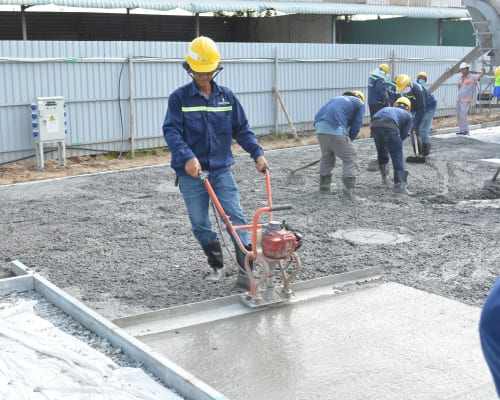
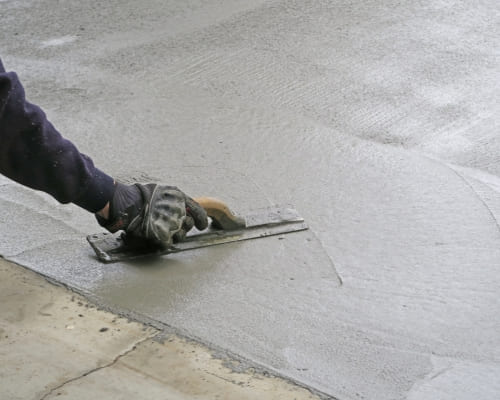
House slabs, shed floors and strip and pad footings poured to AS 2870 for Werribee's reactive basalt clay. Site classification first, engineered design to follow, fixed on-site quotes across the Wyndham corridor.
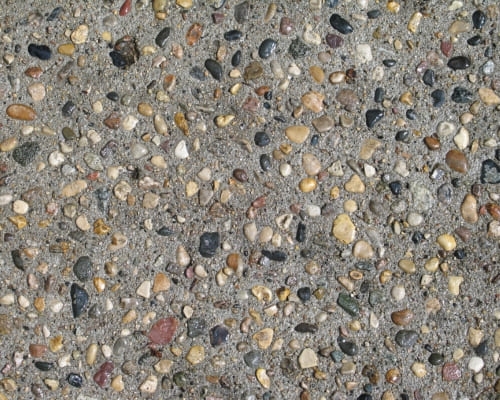
Durable concrete driveways built for Werribee's reactive basalt clay - compacted base, correct thickness, steel mesh and control joints, in plain, coloured or exposed aggregate. New crossovers and replacements across the Wyndham corridor.
Crack repair, trip-hazard grinding, spalling floors and sunken slabs across Werribee and Wyndham. Every repair starts with diagnosing the cause, and a straight answer where replacement is the cheaper option. Call 0485 032 128.
TESTIMONIALS
What Our Polished Concrete Customers Say About Us
The Process
3 Step Process For Your Polished Concrete Needs

Site visit and fixed quote
It starts with a proper look at the block. The crew measures up, checks access and the lie of the ground, talks through what you want, and flags anything that could affect the pour, such as reactive clay, possible floaters or shallow rock, or drainage on low ground. For structural work that includes whether a soil test or site classification is needed. A fixed, itemised, on-site quote for the agreed scope follows, so there are no surprises later.

Preparation and pour
Good concrete is made before the truck arrives. The excavation goes to the right depth, allowing for any basalt floaters or shallow rock encountered. For slabs, paths and driveways a solid base is built and compacted, formwork is set to correct falls for drainage, and reinforcement is laid to suit the job, while holes for stumps and pier footings are bored to the depth on the engineer's details. On reactive sites the footing design follows those details. The pour is then finished to suit the job, from a broom finish, exposed aggregate or a decorative surface on a slab to a level, plumb top on a stump.

Curing, joints and clean finish
The last stage is where a lot of concrete work is won or lost. The concrete is cured deliberately, slowing surface evaporation to suit the dry, windy conditions common across the west, which helps reduce early cracking. On slabs and driveways, control joints are cut and placed to guide where any movement cracking appears, since joints control cracking rather than prevent it. Sealing is applied where it suits the finish, the site is tidied, and you are walked through curing times and how to look after new concrete in its first few weeks.
Polished Concrete In Werribee
FREQUENTLY ASKED QUESTIONS
Everything you need to know about our Polished Concrete In Werribee
Can an existing concrete slab be polished?
Usually yes, and it is often the cheapest good floor available in a house, but the slab has already decided what is possible. How deep the paste sits over the aggregate, how flat the slab is, where the patches and trench fills are, and what adhesive or vinyl residue is left on it all determine the achievable finish, and grinding reveals every bit of it. For that reason a test patch is ground in an inconspicuous corner first, which establishes what the floor will actually look like before a finish is committed to across the whole area.
Is polished concrete a good choice for a new home in Tarneit or Point Cook?
It is at its best on a new build, because the slab can be specified for polishing from the outset rather than assessed afterwards. The mix, the aggregate type and colour, and the flatness tolerance can all be set with the final floor in mind, and the builder can be told not to use the slab as a work surface. On the new estate blocks across Tarneit and Point Cook the other advantage is practical: the floor goes in once and never needs replacing, which suits a house being built to live in long term.
How slippery is polished concrete?
Dry, a polished floor has comparable grip to polished stone or glazed tile and is not a problem. Wet, a high-gloss finish is genuinely slippery, which is why gloss level is chosen by room rather than applied throughout. Bathrooms, laundries and entries off a wet yard are finished at a lower sheen, and outdoor areas are not given a gloss finish at all. Where slip resistance matters more, a satin or matt finish, or an anti-slip additive in the sealer on a grind and seal floor, both help without changing the look much.
Does polished concrete crack?
The floor is the slab, so any cracking in the slab shows in the floor, and concrete on Werribee's reactive clay does move. Existing cracks are filled before polishing, usually with a tinted or clear resin, and they remain visible as a fine line rather than disappearing. Many owners accept them as part of the character of the floor. What polishing will not do is cause cracking, and what it cannot do is hide it, so a slab with significant structural cracking is better assessed before the decision than after.
How is a polished concrete floor looked after?
A mechanically polished floor needs sweeping or vacuuming to keep grit off it, and damp mopping with a pH-neutral cleaner. What it does not need is any coating, stripping or recoating, because there is no film on it. Acidic cleaners, bleach and strong detergents are the things to avoid, since they etch the surface and dull the sheen over time. A grind and seal floor is different: the sealer is the wearing surface, so it scuffs in traffic lanes and needs recoating periodically.
Can a warehouse or shop floor be polished?
Yes, and commercial floors are where the economics are clearest, because a polished slab removes the recurring cost of stripping and resealing a coated floor and the dust generated by a bare one. The densified surface handles forklift and trolley traffic and the abrasion of grit carried in on wheels. Scheduling is the main consideration rather than the work itself, since the area has to be clear and sheeted off while grinding runs, so commercial jobs are usually staged in sections or run outside trading hours.
Request A Free Polished Concrete Quote
GET A FREE QUOTE
BUSINESS
SERVICES
OPERATING HOURS
Sun: 6am - 10pm
Mon: 6am - 10pm
Tue: 6am - 10pm
Wed: 6am - 10pm
Thu: 6am - 10pm
Fri: 6am - 10pm
Sat: 6am - 10pm